
Heat Pump Repair in Connecticut
Connecticut's winter nights are colder than in 29 of the other 49 states.
Tell us about the job
Takes about a minute. No obligation.
- 23°Fwinter overnight low where people live
- 8 monthsof heat, October through May
- 81°Fsummer afternoon high where people live
- 2 monthsof cooling, July through August
Severe weather finds your outdoor unit and long outages come with it
- Cooling needed most in Greater Bridgeport Planning Region, least in Northwest Hills Planning Region
- Winter nights average 23°F where people live
- Summer afternoons average 81°F where people live
- Heat runs October through May
- Cooling runs July through August
- 20% of homes lost power a day or more in 2024


- Heat where there was only cold air blowing, once the reversing valve gets sorted out
- A defrost cycle that actually clears the outdoor coil instead of leaving it iced over
- An outdoor fan that spins freely, so the compressor isn't straining against a stuck motor
- Quiet where there was a rattle, usually a loose blade or a worn motor mount set right
- A thermostat call the unit actually answers, instead of short cycling or running nonstop

September is the last easy month before heat runs here, and it's a good time to find out if a part is already weak. A fan motor or reversing valve that struggled through August cooling often won't hold up once the compressor has to work harder against the cold. The first real cold snap puts load on whatever was already marginal, and that's usually when the reversing valve sticks or the defrost control stops cycling right.
Heat runs here from October through May, eight months out of the year, so a heat pump going down early is not a small problem. Connecticut sees more severe weather and longer outages than most states, and a heat pump that loses power mid-cycle can come back confused, stuck in defrost or not answering the thermostat at all. Getting a repair looked at before October gives the system a chance to prove itself while the stakes are still low.
The load on your heat pump is lighter here, which usually works in your favor
Two months of cooling a year is a light enough load that a heat pump here usually isn't worn out, it's just old or overdue for attention. Winter nights average 22°F, but that's well within what the system was built to run against. When a heat pump breaks down here, age and missed maintenance are the more likely cause, not years of fighting extreme heat or cold. That's worth knowing before you decide whether a repair is worth doing. Most of the time it is.
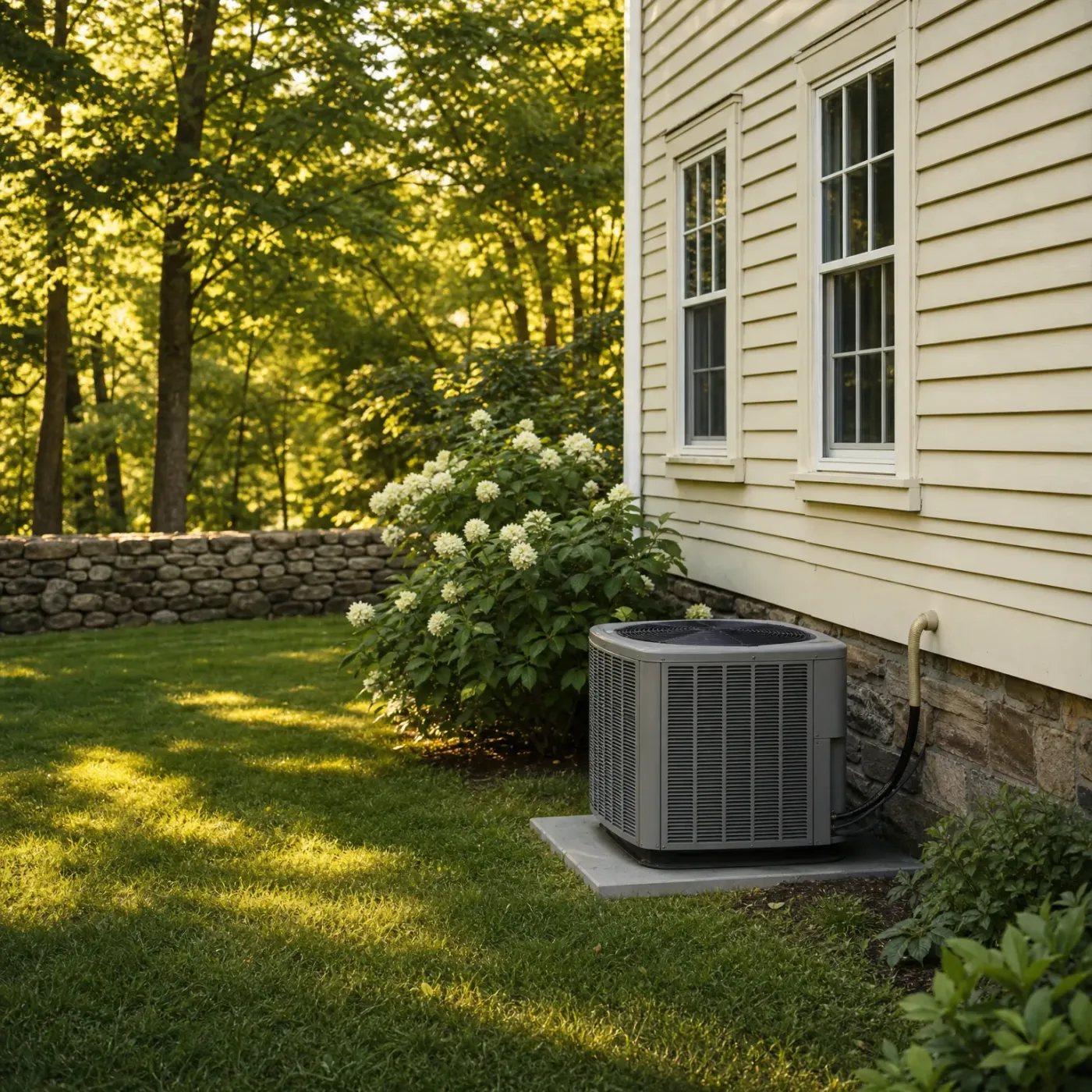
2 months of cooling, July through August
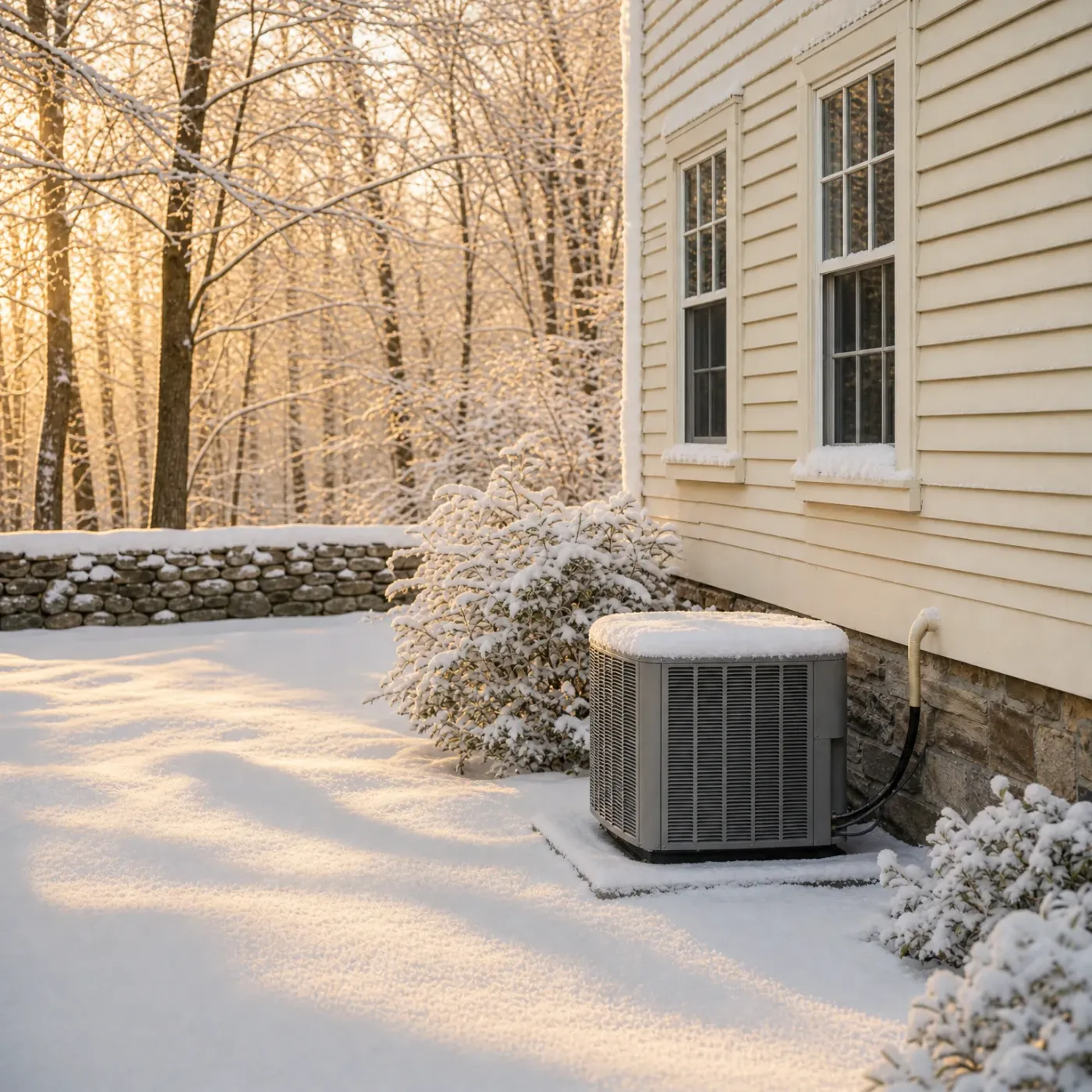
8 months of heat, October through May
Northwest Hills Planning Region has the coldest winter nights in the state, averaging 17°F across December, January and February. Homes there need about 28% more heat over a year than homes in Greater Bridgeport Planning Region, where the state's heating need is lowest. If you're in Northwest Hills, the defrost cycle and the reversing valve are carrying more of the load over a winter, so that's where to start when a heat pump stops working right.
Greater Bridgeport Planning Region sits at the other end. Winter nights there average 26°F, the mildest in the state, and it also carries the state's highest cooling need, needing about 79% more cooling over a year than Northwest Hills. A heat pump in Greater Bridgeport spends more of its working life moving heat out of the house than pulling heat in, so the compressor and the outdoor fan motor are the parts more likely to show wear first.
Where you fall between those two ends changes what's worth checking first. Closer to Northwest Hills, ask about the defrost control and whether the outdoor coil is icing over. Closer to Greater Bridgeport, ask about the compressor and the fan motor. The diagnosis should start with where the system has actually been working hardest, not with a guess.
What does a heat pump in Connecticut face?
How hot do summer afternoons get?
81°Faverage afternoon high where people live
Alaska66°F
Arizona101°F
How cold do winter nights get?
23°Faverage overnight low where people live
North Dakota4°F
Hawaii65°F
How many months does the heat run?
8 monthsof heating a year
Hawaii0 months
Alaska12 months
What does electricity cost?
28.75¢per kWh (kilowatt hours, the unit on an electric bill), what homes paid in 2024
North Dakota11.51¢
Hawaii42.86¢
How often do storms hit?
216severe weather events per county from 2015 to 2024
Alaska5
Wyoming1,057
How many homes lost power for a day or more?
20%of homes in 2024
Arizona7%
Maine54%
A small problem costs more here every month it runs
A heat pump that's struggling doesn't fail outright. It draws more power to do the same job, running longer to reach the same temperature a healthy system would hit sooner. Electricity here costs more than in 46 other states, so that extra runtime shows up on the bill every month it goes unfixed. It's not that the machine is fighting Connecticut's weather harder than most, the seasons band already covers that. It's that whatever the problem is, a bad capacitor, a fan motor dragging on a worn bearing, costs more to ignore here than it would somewhere with cheaper power.
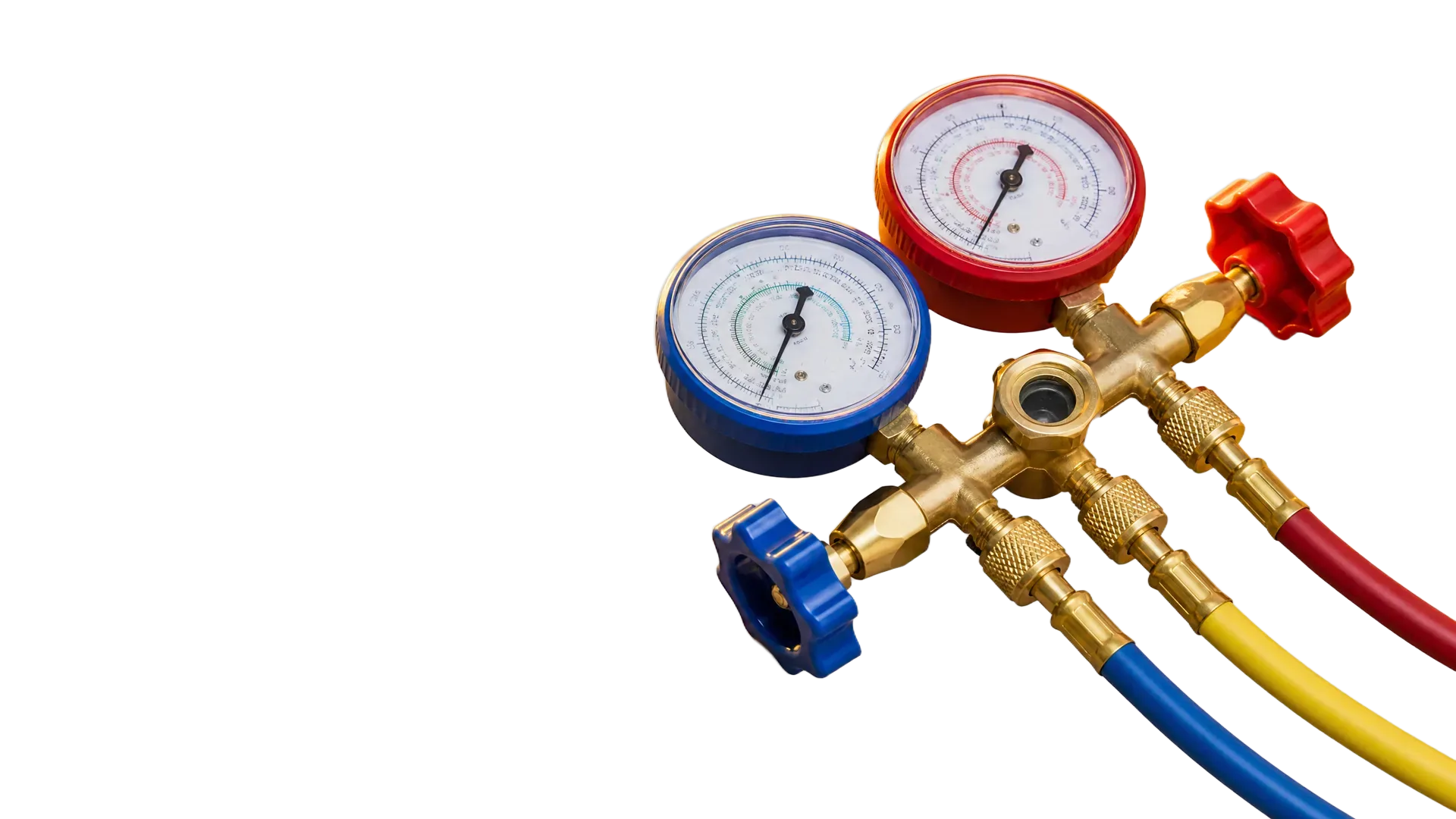
What you can check yourself before anyone comes out
Start with the thermostat. Make sure it's set to heat, not emergency heat, and the set point is actually above room temperature. If the display is dead, check the breaker panel before anything else. Go outside and look at the outdoor unit. A light frost that clears during a defrost cycle is normal. Ice built up around the coil or the base is not. If the outdoor fan isn't spinning while the system runs, leave it alone and don't reach into the unit. Check the air filter. A clogged filter chokes off airflow and can push the system into shutting itself down on a safety switch. Walk the house and make sure supply vents aren't blocked by furniture or closed off. If air is coming out but it doesn't feel warm, that points to something further into the system, like the reversing valve, and isn't something to chase down yourself. Note what you find. Whether the fan turns. Whether there's ice. What the thermostat shows. Whether the system is cycling on and off faster than it should. That gives whoever comes out a head start instead of starting from nothing.
What a struggling heat pump actually sounds and feels like
A heat pump that needs attention usually tells you in how it runs, not just whether it runs. Short cycling, where the unit kicks on, runs a few minutes and shuts off again before the house warms up, points to a bad thermostat sensor, a low refrigerant charge, or a control board misreading what the system is doing. Warm air that isn't actually warm, just less cold than the room, often means the reversing valve isn't fully switching over, so the system is stuck between heating and cooling mode. A hissing sound from the refrigerant lines usually means a leak, and that doesn't get better on its own since the charge only goes down from there. Ice on the outdoor coil that doesn't clear during a defrost cycle means the defrost control or the reversing valve isn't doing its job, and running the system like that puts strain on the compressor. A burning smell from the indoor unit is never normal, and the system should be shut down until someone looks at it. If the outdoor fan is running but sounds like it's grinding, the motor bearing is usually on its way out. Any of these is worth a call.
If a storm just hit your outdoor unit, get it checked even if it's still running.
Tell us about the job
Takes about a minute. No obligation.
Fill out the form and a licensed contractor in Connecticut will reach out about your heat pump.