
Mini Split Installation in Connecticut
Homes in Connecticut run cooling for fewer months of the year than in 34 of the other 49 states.
Tell us about the job
Takes about a minute. No obligation.
- 81°Fsummer afternoon high where people live
- 2 monthsof cooling, July through August
- 23°Fwinter overnight low where people live
- 8 monthsof heat, October through May
Electricity costs more here than almost anywhere and cooling runs on it all summer
- Cooling needed most in Greater Bridgeport Planning Region, least in Northwest Hills Planning Region
- Summer afternoons average 81°F where people live
- Winter nights average 23°F where people live
- Cooling runs July through August
- 20% of homes lost power a day or more in 2024


Most homes here predate central air, which is why mini splits fit
Half the homes in Connecticut were built in 1967 or earlier. Houses that age weren't built with ductwork for central air, and that's a big reason mini splits get installed here in the first place. No ducts to add or rework, just a line set between the outdoor unit and whatever rooms need heating or cooling. Most of the housing stock, 65 percent, is detached and attached single-family homes, so the job usually comes down to where the indoor units mount and where the outdoor unit sits against the house.

Cooling in Connecticut only runs July and August. Get a mini split installed before July and you pick the contractor, the install date, and the time of day without working around a heat wave. Wait until the first hot week and you're scheduling around whoever else had the same idea.
Connecticut runs fewer months of cooling than 34 other states, but June still matters. A mini split put in before July has time to get checked over and adjusted before it has to run every day. One that goes in during a heat wave gets switched on and left alone, whether it was sized right for the rooms it serves or not.
Summers here are mild, so the system doesn't have to be top tier to hold up
Summer afternoons here average 81°F, milder than in 35 other states, and cooling only runs through July and August. A mini split sized for these rooms isn't working against extreme heat for months at a stretch, so it doesn't need to be the highest efficiency model on the shelf to hold up. What matters more here is the install itself, the line set run clean, the indoor units placed where the rooms actually need them. A mid-range system set up right will outlast a top-tier one put in carelessly. Problems that show up in a system here tend to trace back to age or a weak install, not to months of hard running.
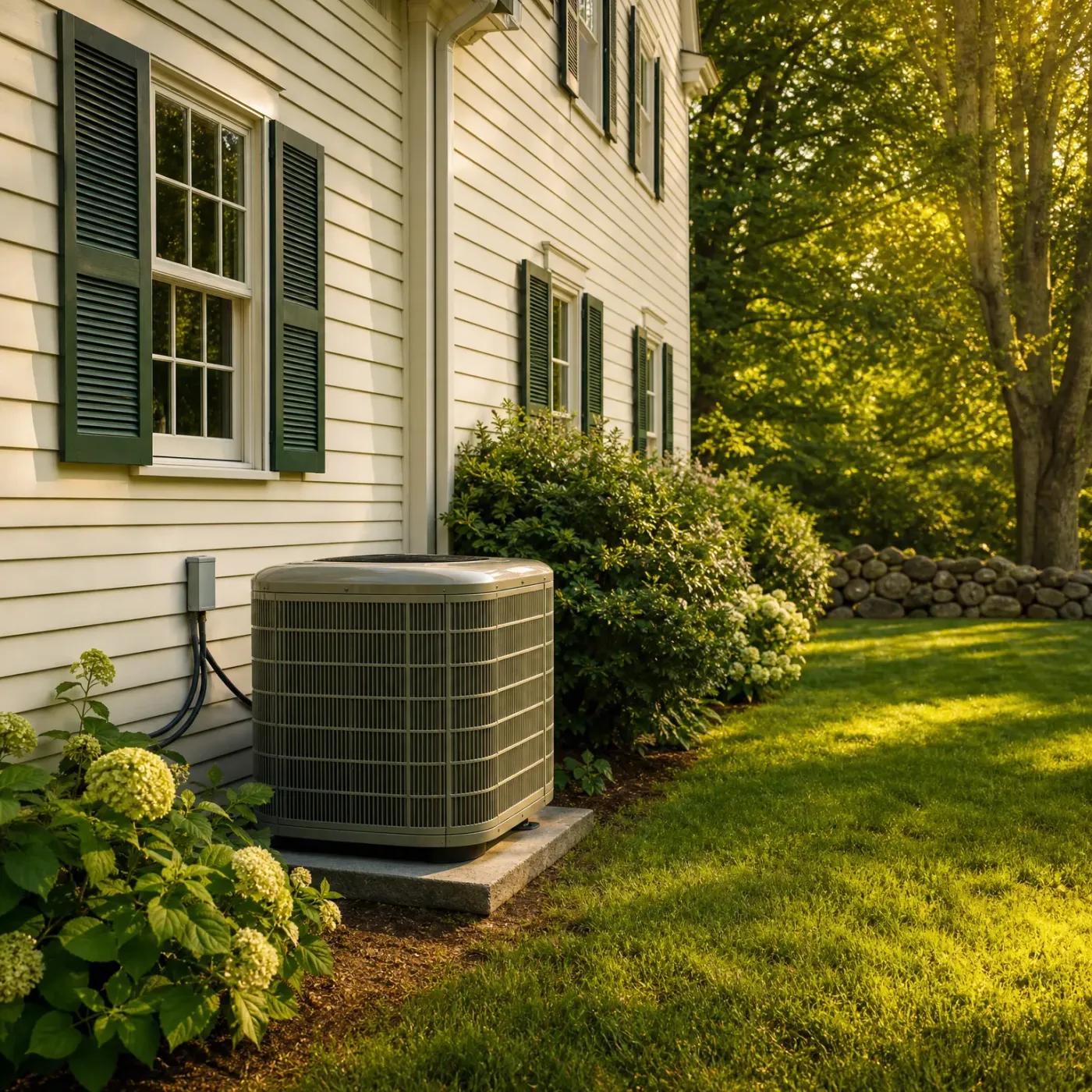
2 months of cooling, July through August
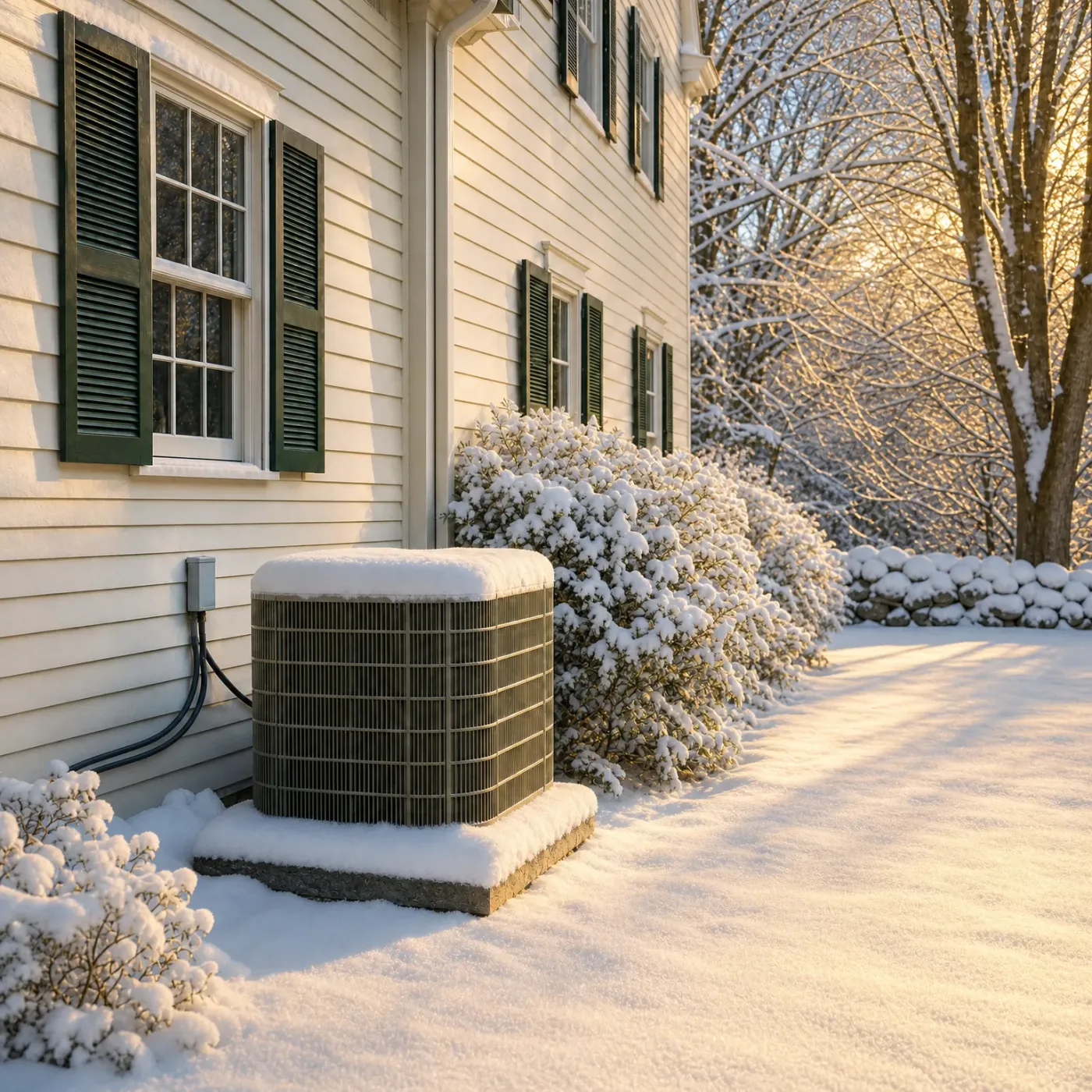
8 months of heat, October through May
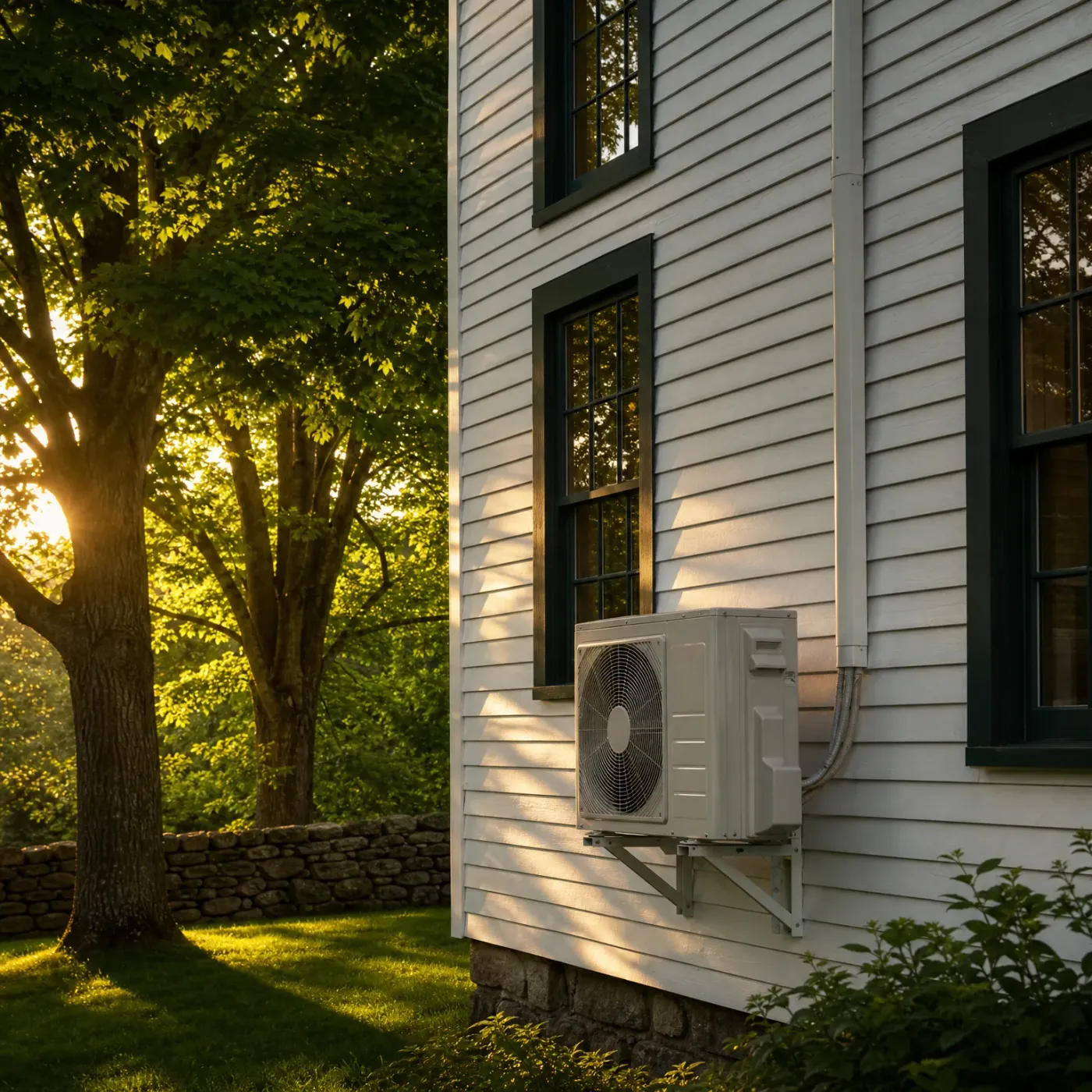
Cooling need isn't the same from one end of Connecticut to the other. Homes in Greater Bridgeport Planning Region need about 79% more cooling over a year than homes in Northwest Hills Planning Region, which has the lowest cooling need in the state. A mini split sized for one is not sized right for the other.
Greater Bridgeport also runs cooling the longest, about 4 months a year. Northwest Hills runs it the shortest, about 2. That gap changes what the system is doing most of the year. A mini split in Greater Bridgeport is cycling on through more of the summer. One in Northwest Hills sits idle more often than not.
None of this shows up as a reason in the data, just the difference itself. What it means for an install is that the right size and setup in one part of the state can be the wrong one in another, even though both are still Connecticut.
What does a mini split in Connecticut face?
How hot do summer afternoons get?
81°Faverage afternoon high where people live
Alaska66°F
Arizona101°F
How cold do winter nights get?
23°Faverage overnight low where people live
North Dakota4°F
Hawaii65°F
How many months does the cooling run?
2 monthsof cooling a year
Alaska0 months
Hawaii12 months
What does electricity cost?
28.75¢per kWh (kilowatt hours, the unit on an electric bill), what homes paid in 2024
North Dakota11.51¢
Hawaii42.86¢
How often do storms hit?
216severe weather events per county from 2015 to 2024
Alaska5
Wyoming1,057
How many homes lost power for a day or more?
20%of homes in 2024
Arizona7%
Maine54%
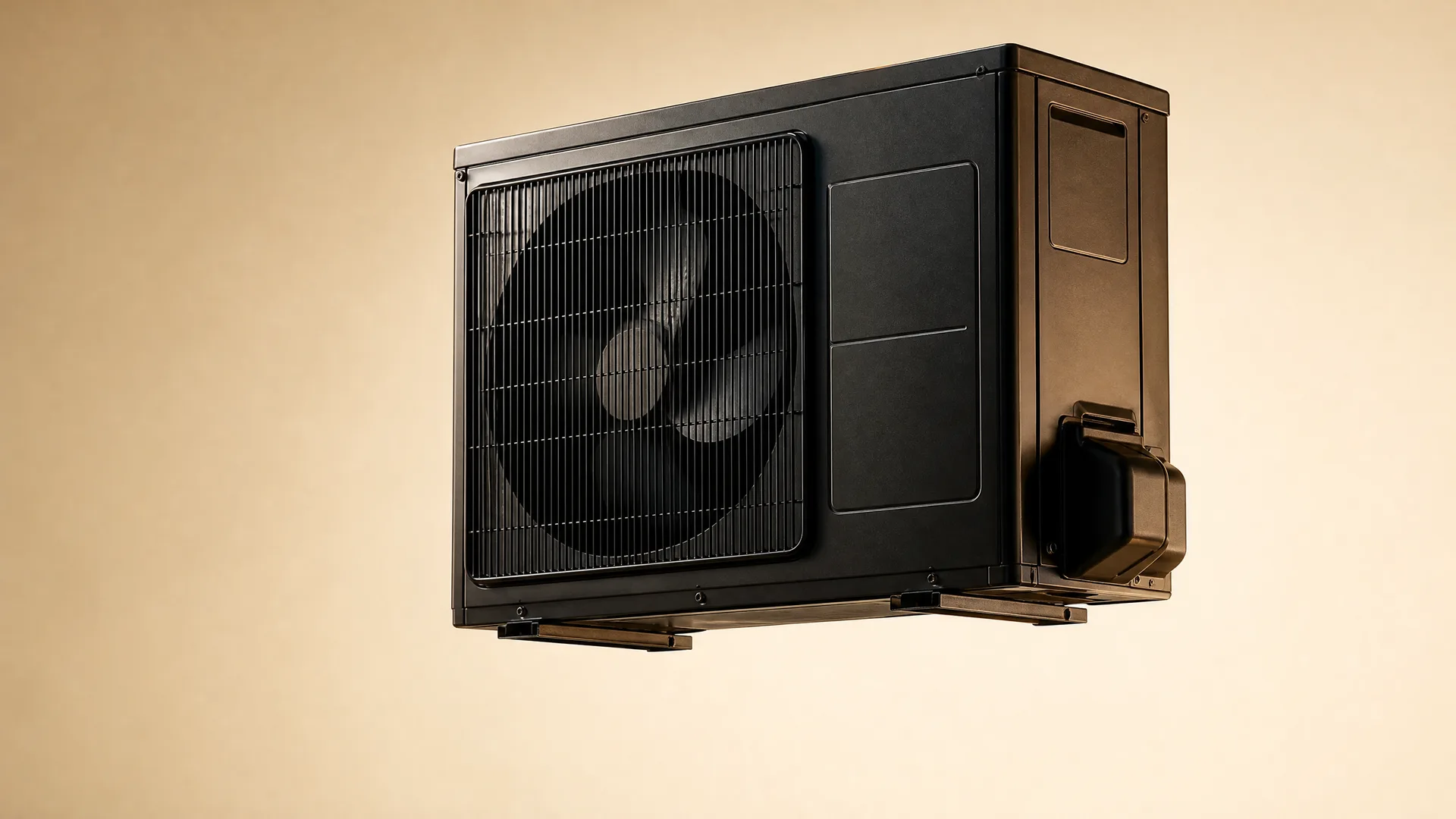
Power costs more here, so how the system runs matters more too
Electricity here runs 28.75 cents a kilowatt-hour, more than in 46 other states. A mini split earns that rate back on every bill if it's sized and installed right, because the whole point of the system is moving heat instead of generating it. One that's oversized for the room, or has a line set run sloppy, works harder than it needs to, and at this price that shows up fast. The install is what decides which one you end up with.

What happens to the system being replaced
When a mini-split goes in, the old system doesn't always come out whole. If it's a window unit or a through-wall AC, that's a straightforward pull, nothing tied into the house beyond the opening it sits in. If there's an old central air system being replaced, the outdoor condenser and the indoor coil get disconnected and hauled off, and the refrigerant inside has to be recovered first, not vented, that's true of any system with a sealed refrigerant line. Ductwork is the part that often stays. Tearing out ducts that run through walls and floors is its own job, separate from the mini-split install, so most of the time they're just capped off or left in place unused. A baseboard heating system gets left alone too unless the mini-split is meant to replace it for heat as well as cooling, and that's a different conversation than just adding cooling where there wasn't any. Whatever comes out, the breaker or fused disconnect that fed it either gets reused for the new outdoor unit or capped safely, it doesn't get left live with nothing on the other end.
The line set and the wiring, not the equipment, drive most of the cost
What you're paying for is mostly the labor, not the box on the wall. Running the line set is the biggest piece of it, the refrigerant lines and wiring between the outdoor unit and each indoor head, and that cost climbs with distance and with how many walls or floors it has to pass through. A single room with the outdoor unit right outside is a short run. Add a second or third indoor head and you're adding a full branch of line set for each one, plus another spot on the wall or ceiling that has to be framed and finished around. Where the outdoor unit can sit matters too. If it has to go on a bracket up a wall instead of on a pad at ground level, that's more mounting work and a harder line set route. The electrical side counts as well, a dedicated circuit back to the panel, and if the panel is already full that's extra work before the mini-split is even part of the job. None of this is padding. It's what decides whether the system runs the way it's supposed to once it's in.
Cooling here runs two mild months, so install before summer asks anything of it.
Tell us about the job
Takes about a minute. No obligation.
Fill out the form and a contractor who installs mini splits in Connecticut calls you.