
AC Maintenance in Connecticut
Homes in Connecticut run cooling for fewer months of the year than in 34 of the other 49 states.
Tell us about the job
Takes about a minute. No obligation.
- 81°Fsummer afternoon high where people live
- 2 monthsof cooling, July through August
- 28.75¢ per kWhwhat homes paid for power in 2024 (kWh means kilowatt hours, the unit on an electric bill)
- 20%of homes lost power a day or more in 2024
Electricity here costs more than almost anywhere A dirty AC burns through it faster
- Cooling needed most in Greater Bridgeport Planning Region, least in Northwest Hills Planning Region
- Summer afternoons average 81°F where people live
- Cooling runs July through August
- 20% of homes lost power a day or more in 2024


- A low refrigerant charge gets corrected, so the system stops working harder than it should to cool the house
- Coils get cleaned on both sides so heat can transfer instead of getting trapped by dirt
- The condensate drain gets cleared so water has somewhere to go instead of backing up
- Loose electrical connections get tightened before they burn out a contactor or capacitor
- The capacitor gets tested against its rating, so a weak one is caught before it fails

Cooling need is not the same everywhere in the state. Homes in Greater Bridgeport Planning Region need about 79% more cooling over a year than homes in Northwest Hills Planning Region, where it's lowest in the state. A system working that much harder every summer has more wear to show for it.
If you're in or near Greater Bridgeport, a yearly check is worth keeping on schedule without fail, since the system is putting in more hours against the heat. Up in the Northwest Hills, the AC still earns a look before summer, just with less riding on it.
Two months of summer, and they start hot
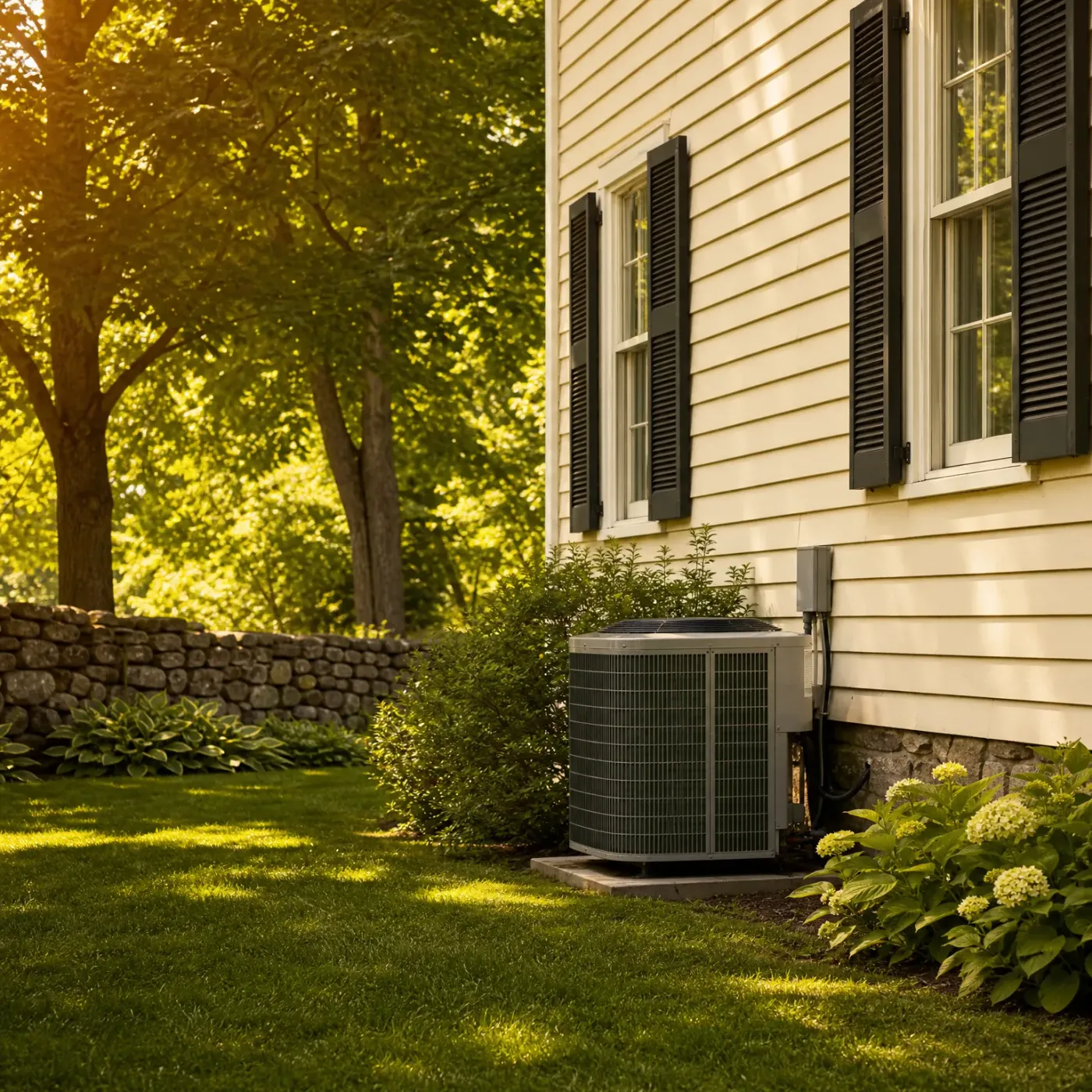
Cooling here runs just two months, July and August. When it starts, it runs hard, since those are the two hottest months, not a slow ramp into summer. June is the month to get the system checked, before the heat shows up what was wrong with it all along. Wait until July and a weak capacitor or a dirty coil picks the worst possible week to fail.

2 months of cooling, July through August
8 months of heat, October through May

Connecticut sees real severe weather. Where most of the state's households live, one county logged about 216 severe weather events between 2015 and 2024, more than most other states saw in the counties where their people live.
Hail has hit 2.5 inches across here. A hit like that can dent a condenser's fins or bend them flat against the coil underneath, and bent fins block airflow the unit needs to cool the house.
Wind is the other one. The strongest gust recorded in this stretch reached 67 mph, enough to drive branches and debris into an outdoor unit sitting against the house.
Power is the part that follows the storm. A larger share of Connecticut households went at least a day without electricity in 2024 than in most other states. No power means no AC until it's back on, whatever shape the unit was in before.
None of this means a storm has damaged your system. It means a unit that sat through wind, hail or a long outage is worth a look before the next one comes through.
What does an AC in Connecticut face?
How hot do summer afternoons get?
81°Faverage afternoon high where people live
Alaska66°F
Arizona101°F
How many months does the cooling run?
2 monthsof cooling a year
Alaska0 months
Hawaii12 months
What does electricity cost?
28.75¢per kWh, what homes paid in 2024
North Dakota11.51¢
Hawaii42.86¢
How often do storms hit?
216severe weather events per county from 2015 to 2024
Alaska5
Wyoming1,057
How many homes lost power for a day or more?
20%of homes in 2024
Arizona7%
Maine54%
Easy summers, but parts still wear
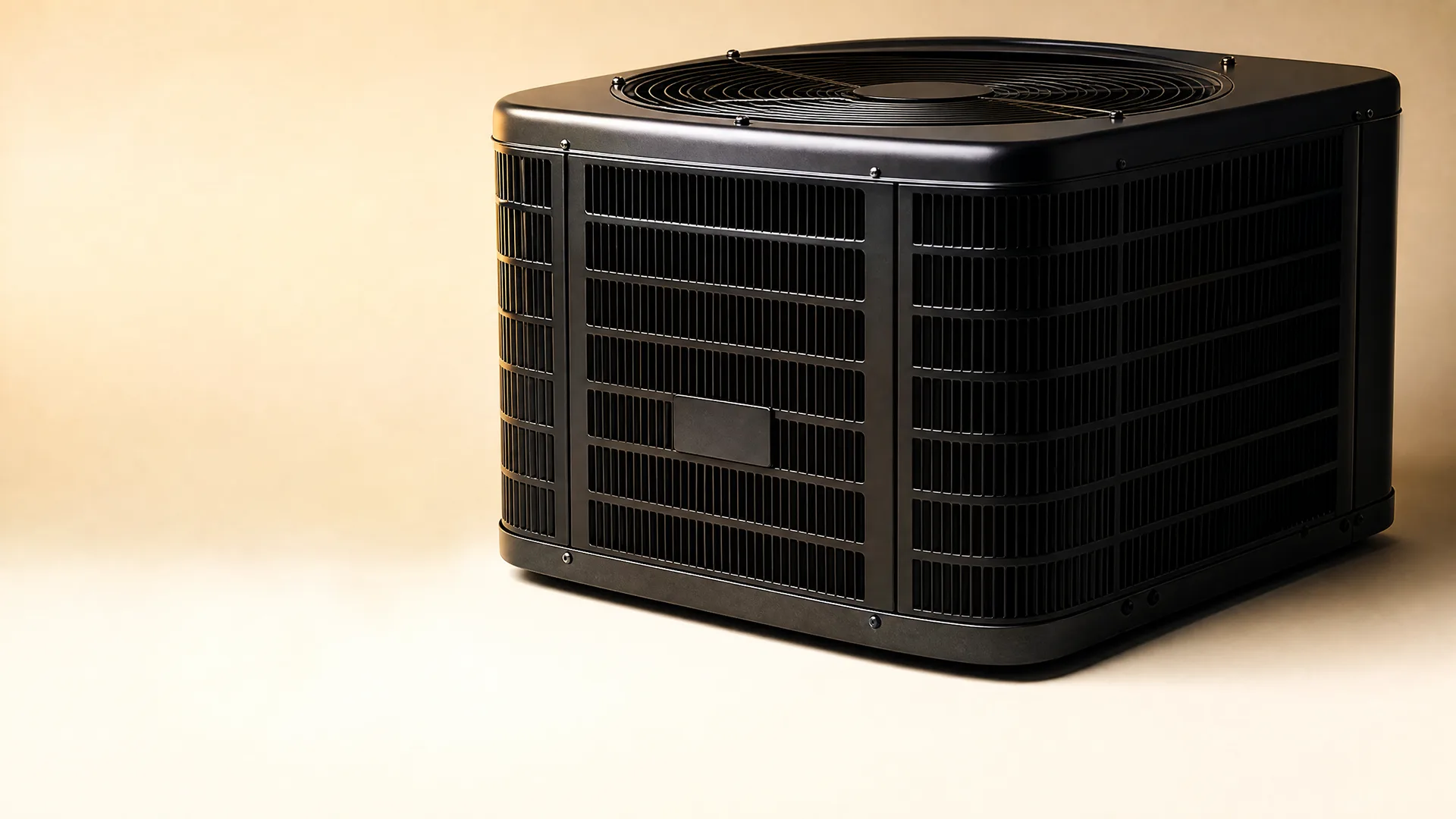
Two months of real heat a year is not much to ask of a condenser. July and August average 81°F in the afternoon here, and that's lighter work than most of the country asks of this machine. Less load means less wear on the fan motor and the compressor, so when something does go wrong on an AC this age, it's usually a part that sat too long without being checked rather than a system that got run into the ground. That's the case for keeping the yearly check instead of skipping it. There's less reason for this unit to fail, so a failure is more often something a tune-up would have caught.
What a tune-up actually checks
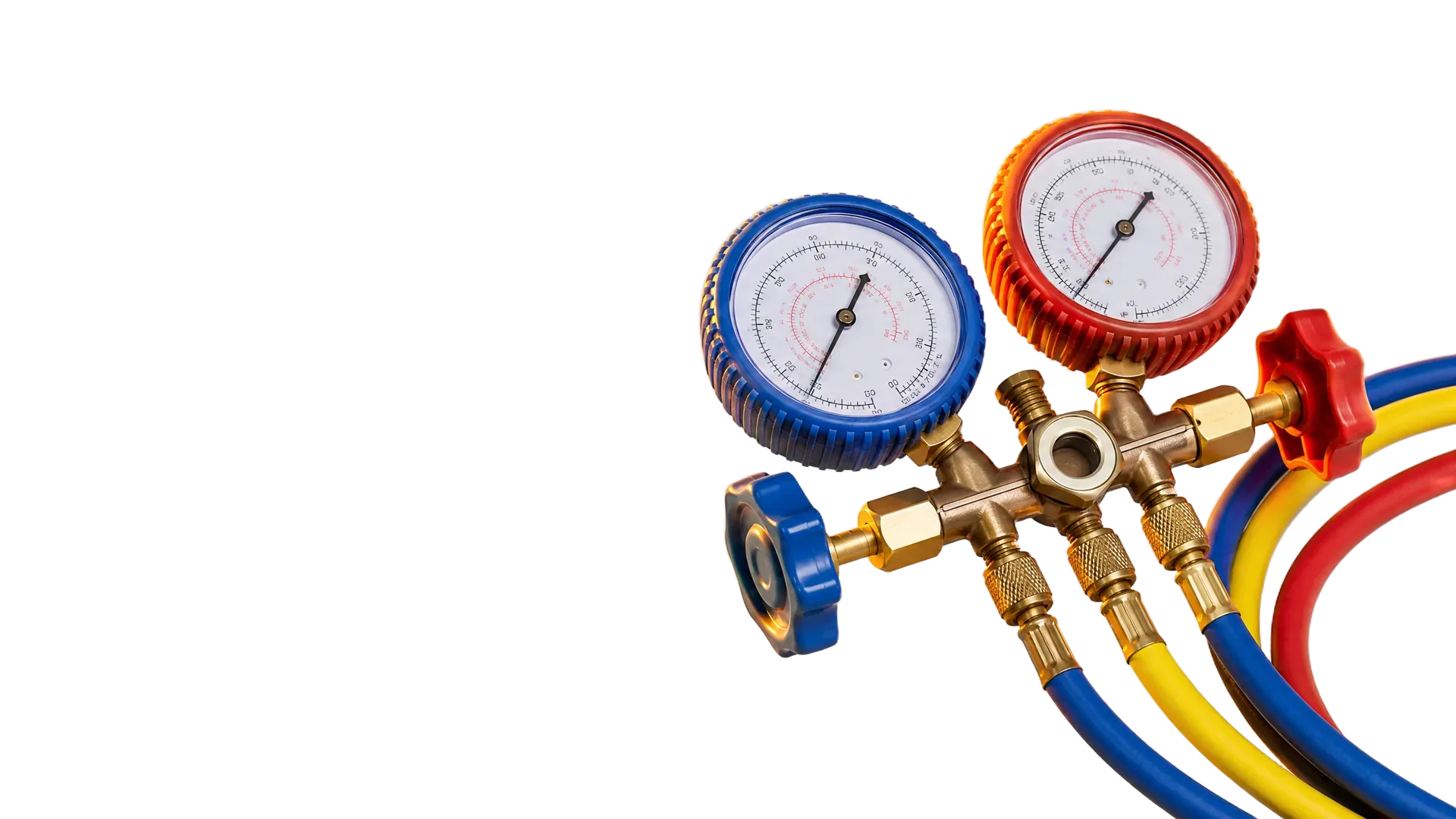
A tune-up starts at the condenser outside. The coil gets cleaned, because dirt and grass clippings on those fins trap heat that needs to release outdoors. The refrigerant charge gets checked against what the system calls for, since too much or too little makes the compressor work harder than it should. Inside, the blower wheel and motor get inspected for wear, since a mentioned belt isn't part of most of these systems anymore, the motor drives the fan directly. Electrical connections get tightened, since a loose one heats up over time and can take out a contactor or capacitor. The condensate drain gets flushed too, since algae and dirt build up in that line, and a blocked drain backs water into the house instead of outside. None of this is a guess. Each reading gets checked against a number the manufacturer sets for that part. That's what separates a real tune-up from someone hosing off the outdoor unit and calling it done.
What separates a real check from a quick one
A quick visit checks whether the unit runs and blows cold air. A thorough one checks whether it's running the way it was built to. That means pulling the refrigerant pressures and comparing them against the manufacturer's numbers for that system, not just glancing at a gauge. It means pulling the blower access panel, not just the outdoor cover. It means measuring the temperature drop across the evaporator coil, the difference between the air going in and the air coming out, since a coil that looks clean can still be failing to pull heat out of the house the way it should. A fast job skips the capacitor test and waits for it to fail on its own. A real one puts a meter on it and checks the reading against what's printed on the part. Ask what gets measured and what gets compared to a number. If the answer is nothing, it was a look, not a tune-up.
Electricity costs more here than almost anywhere, so a neglected AC costs more to run.
Tell us about the job
Takes about a minute. No obligation.
Fill out the form once and a licensed Connecticut contractor will reach out to schedule the check.