
AC Repair in Connecticut
Homes in Connecticut run cooling for fewer months of the year than in 34 of the other 49 states.
Tell us about the job
Takes about a minute. No obligation.
- 81°Fsummer afternoon high where people live
- 2 monthsof cooling, July through August
- 28.75¢ per kWhwhat homes paid for power in 2024 (kWh means kilowatt hours, the unit on an electric bill)
- 20%of homes lost power a day or more in 2024
Storms here are hard on your AC. Hail and debris hit the outdoor unit.
- Cooling needed most in Greater Bridgeport Planning Region, least in Northwest Hills Planning Region
- Summer afternoons average 81°F where people live
- Cooling runs July through August
- 20% of homes lost power a day or more in 2024


Half of Connecticut's homes were built in 1967 or earlier.

Warm air coming out of the vents instead of cold is usually the first thing anyone notices. Sometimes it means the system is low on refrigerant, which points to a leak somewhere in the lines or coil. Sometimes the compressor itself has failed, and that's a bigger job. Either way, an AC that runs but doesn't cool isn't doing its job and won't fix itself.
Pay attention to sounds the unit didn't used to make. A hard rattle usually means something is loose or a fan blade is hitting something it shouldn't. A high pitched squeal often points to the blower motor bearing going bad. Grinding is worse, that's usually metal on metal. Short cycling, where the unit kicks on and off every few minutes instead of running a full cycle, is also worth a call. It puts extra wear on the compressor and the condenser fan motor every time it restarts.
Your AC doesn't work as hard here
Cooling here only runs from July through August, and afternoons average 81°F. Connecticut gets fewer cooling months than 34 other states, and cooler summer afternoons than 35 others. That's a light workload compared to what the same unit would face further south. A system that's acting up here usually isn't worn out from the heat, it's more likely a part that failed on its own or years of skipped maintenance catching up with it. That's worth knowing before you decide whether a repair makes sense. With this little strain on the system, fixing what's wrong is usually the right call rather than writing the unit off.
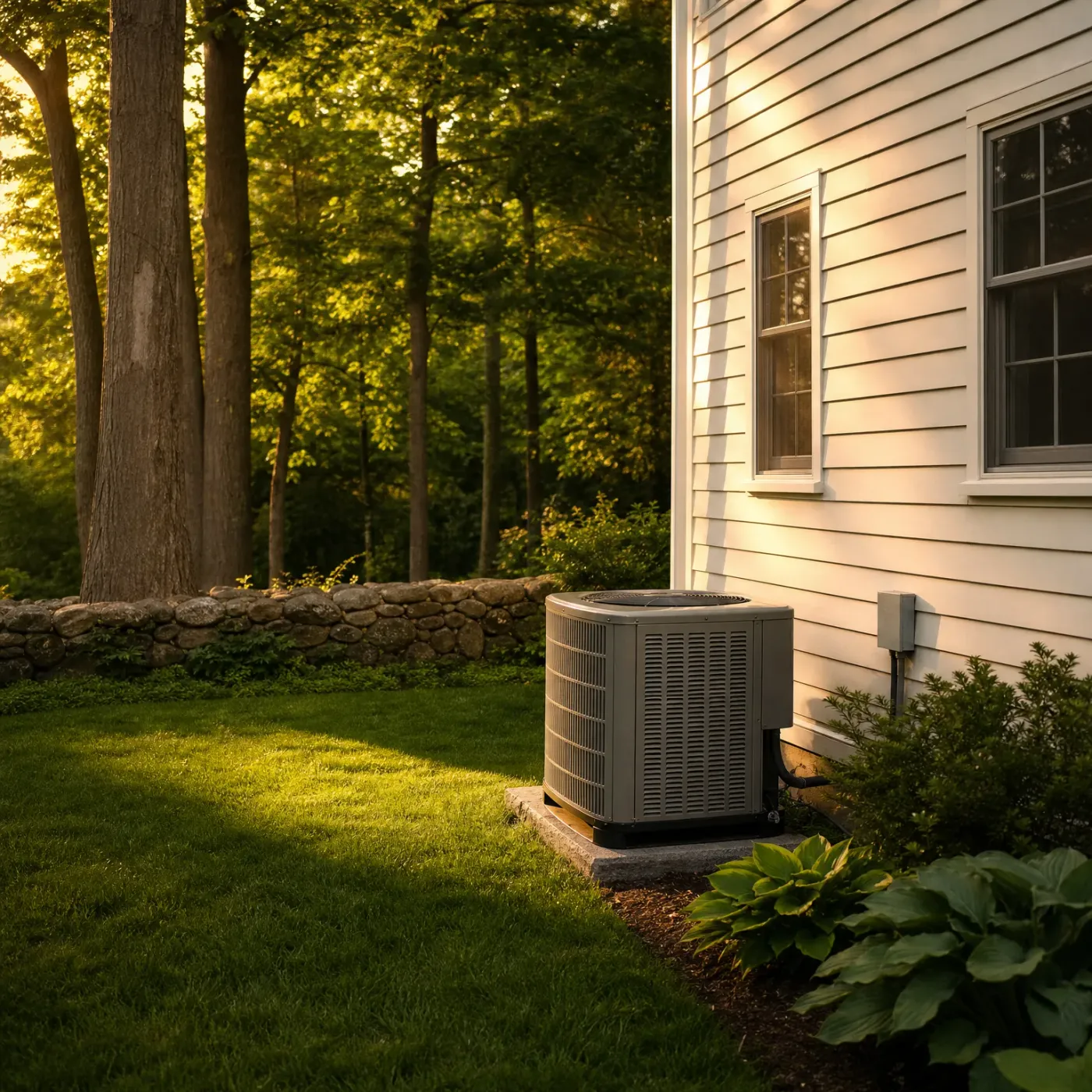
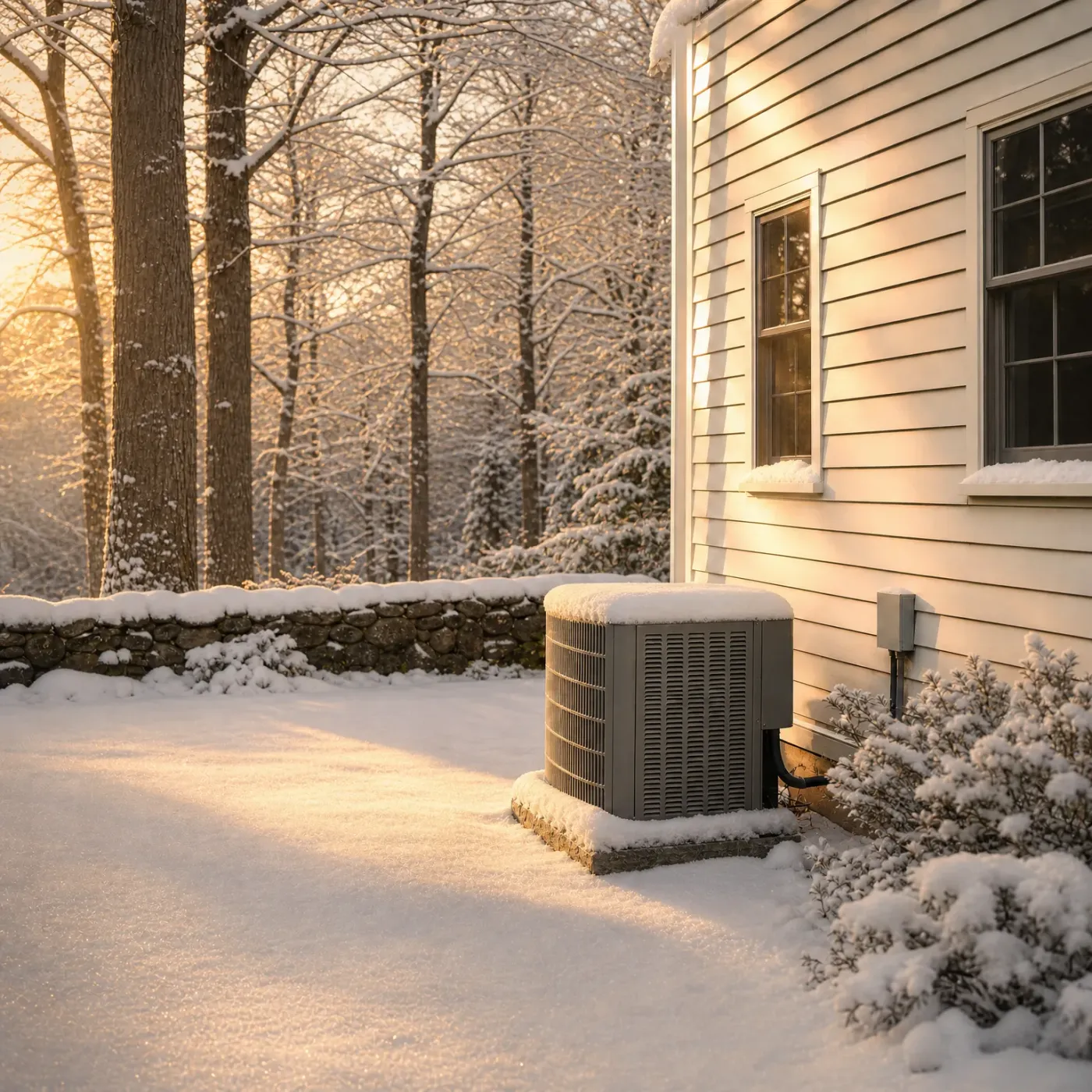
2 months of cooling, July through August
8 months of heat, October through May
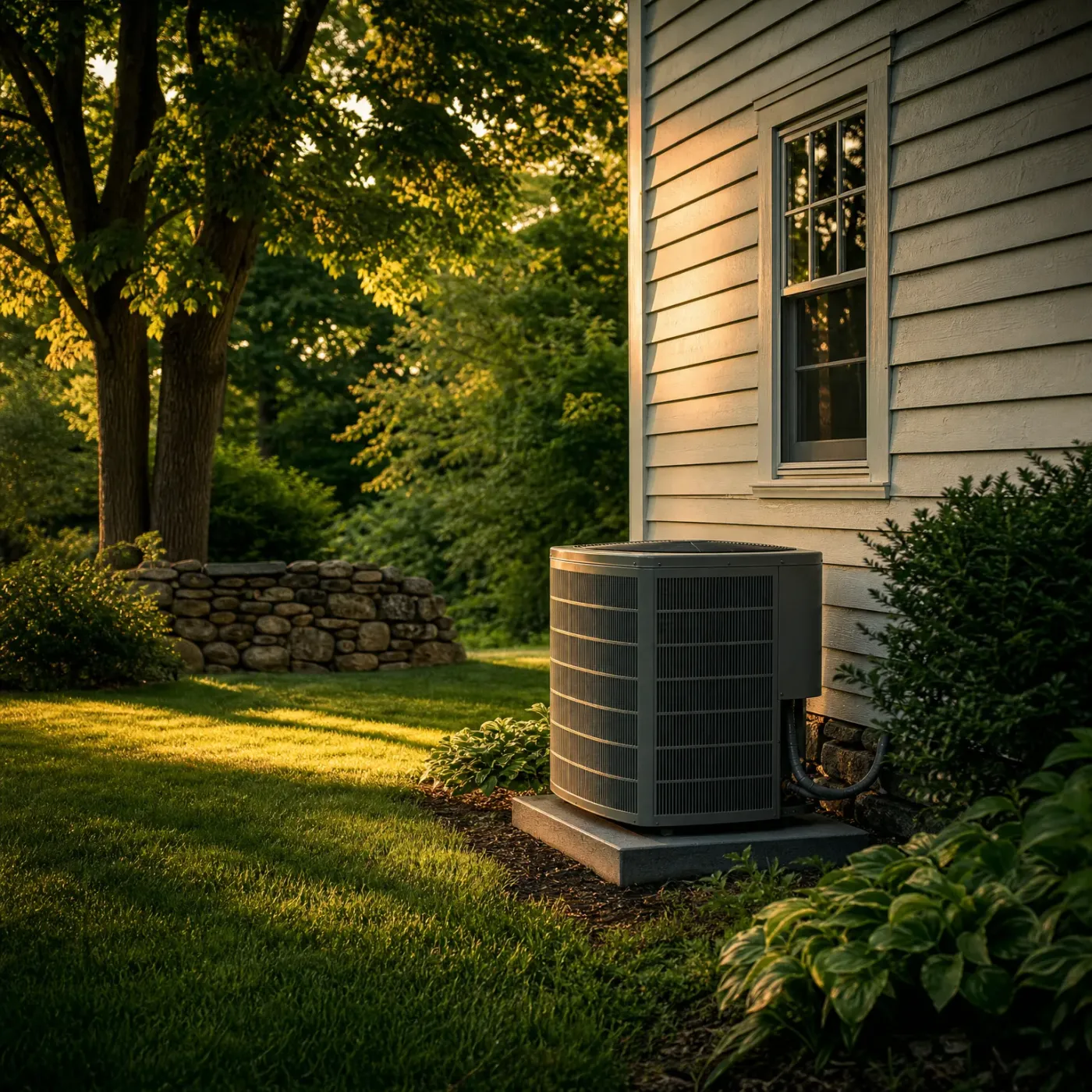
Cooling load is not the same everywhere in Connecticut. Homes in Greater Bridgeport Planning Region need about 79% more cooling over a year than homes in Northwest Hills Planning Region, where the need is the lowest in the state.
That gap shows up in how many months the AC runs. In Greater Bridgeport it is about four months a year, the longest in Connecticut. In Northwest Hills it is about two months, the shortest. A unit in Greater Bridgeport is putting in roughly twice the runtime of one in Northwest Hills, year after year.
That difference is worth knowing when something goes wrong. A system that has been running four months a year has had more starts and more hours on the compressor, more chances for a marginal capacitor or a slow refrigerant leak to turn into a real failure. A system in Northwest Hills with the same symptom hasn't had that same workload behind it, so the cause is more likely something that failed on its own, or maintenance that got skipped.
Where the unit sits in the state is worth mentioning when you call for service. A tech working in Greater Bridgeport expects to find the wear that comes with a longer season. In Northwest Hills, with the lightest cooling load in Connecticut, that same wear pattern is less expected and worth a second look.
What does an AC in Connecticut face?
How hot do summer afternoons get?
81°Faverage afternoon high where people live
Alaska66°F
Arizona101°F
How many months does the cooling run?
2 monthsof cooling a year
Alaska0 months
Hawaii12 months
What does electricity cost?
28.75¢per kWh, what homes paid in 2024
North Dakota11.51¢
Hawaii42.86¢
How often do storms hit?
216severe weather events per county from 2015 to 2024
Alaska5
Wyoming1,057
How many homes lost power for a day or more?
20%of homes in 2024
Arizona7%
Maine54%
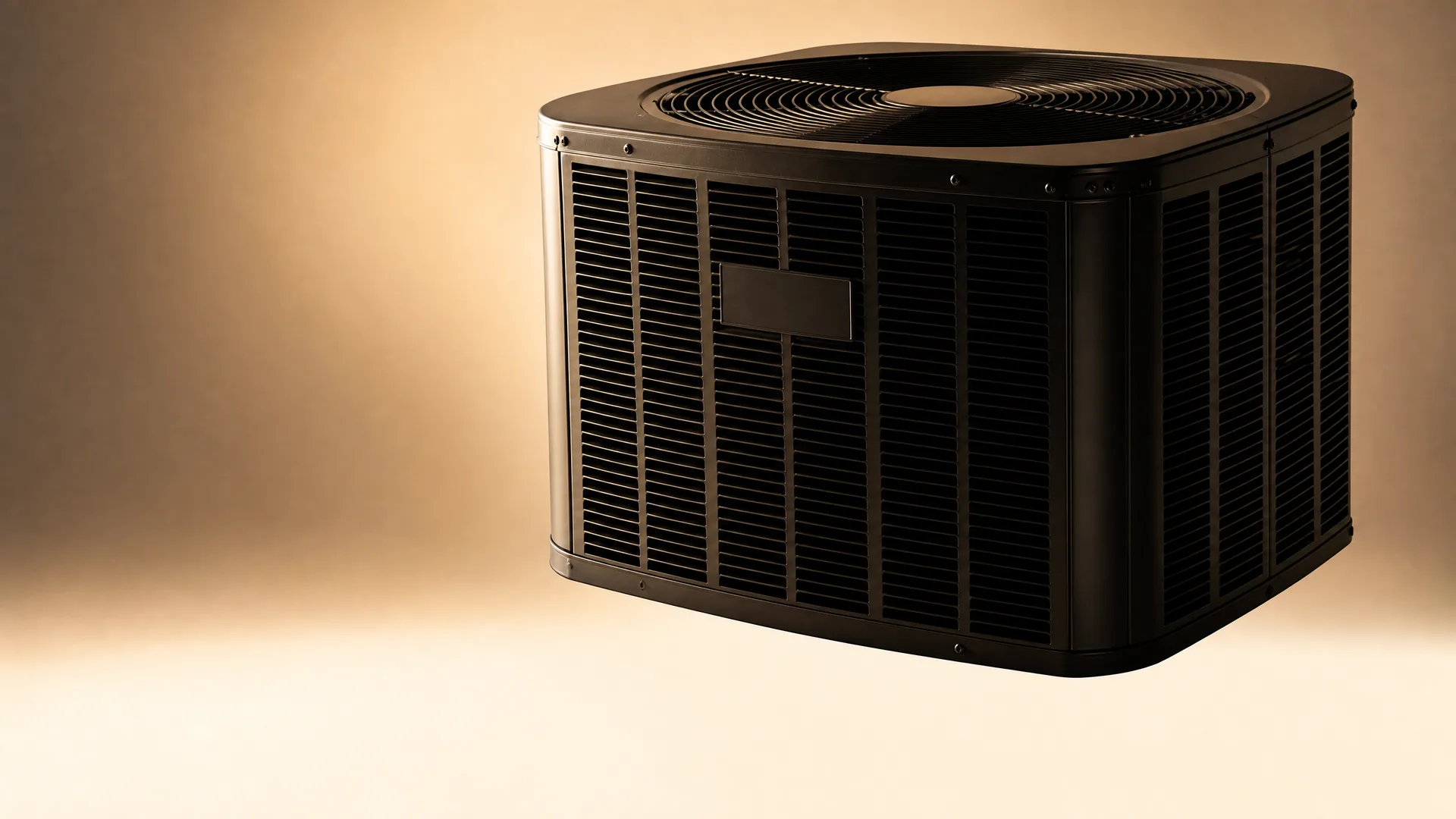
What a diagnostic visit covers
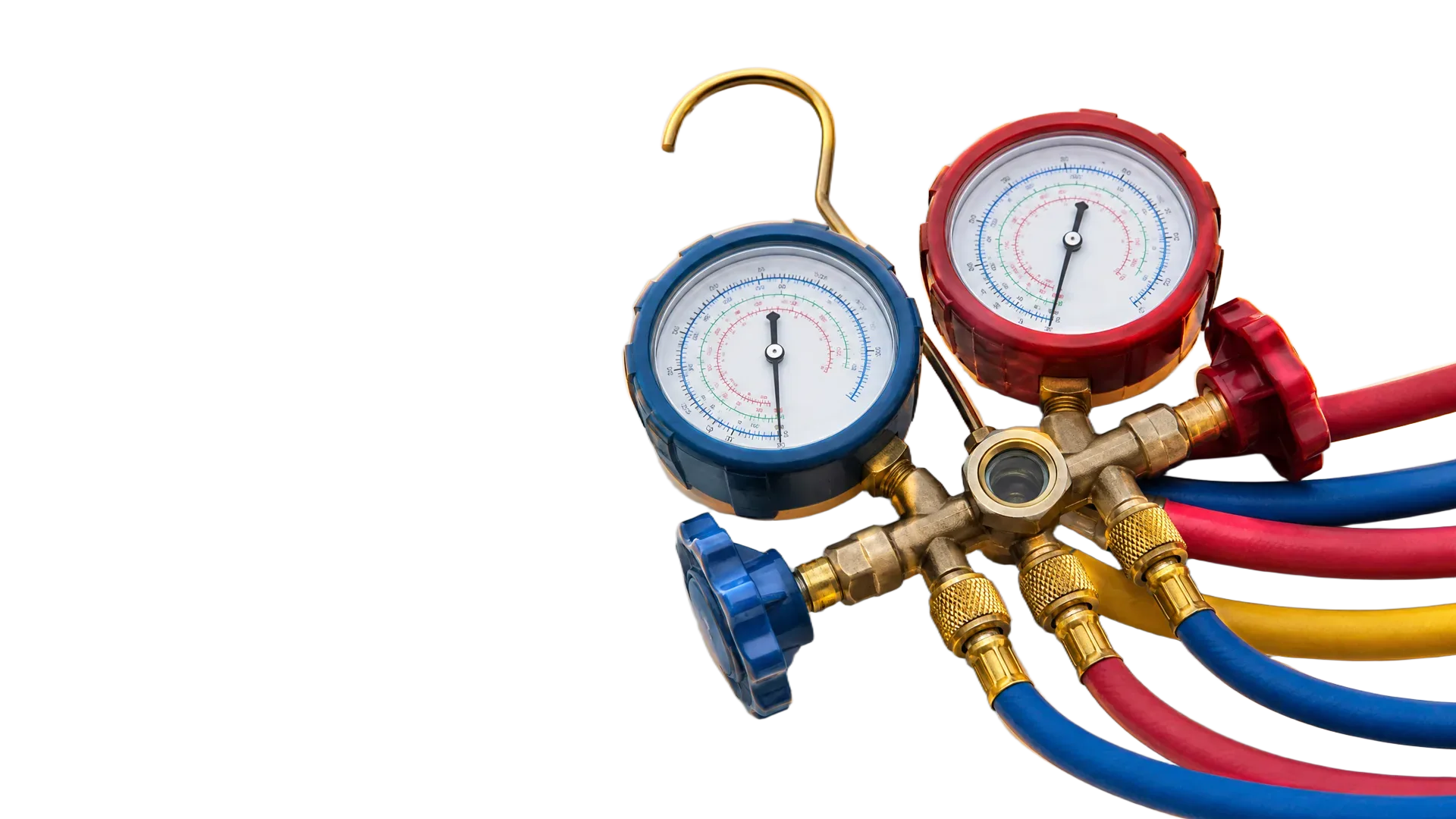
A diagnostic starts outside at the condenser. The tech checks that the fan spins freely and looks at the coil for dirt or leaves packed against it. Then comes the electrical side, the capacitor, the contactor, the wiring. Refrigerant pressure gets checked on both the low side and the high side. So does the temperature split, the difference between the air going in at the return and the air coming out at the supply vents. A weak split with normal pressures points one direction. A weak split with low pressure points another. Inside, the coil and the blower wheel get a look too. A coil caked with dust or a blower wheel caked with grime can mimic a refrigerant problem without being one. Any sound the unit has been making gets checked while it runs, not just described, because a rattle at startup and a rattle once it's running steady usually mean different things. By the end the tech should be able to name the one part that failed, not just describe what it's been doing.
Why air conditioners break down
Most AC failures trace back to a handful of parts. The capacitor is the one that gives out most often. It holds the charge that kicks the compressor and the fan motor into motion, and after enough start cycles it weakens until it can't deliver that push at all. A unit with a dying capacitor often hums but won't start, or the fan spins slow instead of snapping up to speed. The contactor is next, the switch that sends power to the outdoor unit. Its contacts pit and burn from arcing every time they close, and eventually it sticks or stops making contact. Refrigerant leaks are the other common cause, usually at a joint, a coil, or a line rubbing against something it shouldn't. Refrigerant doesn't get used up the way fuel does, so a system that's low has lost it somewhere, and the leak doesn't fix itself. The condenser fan motor and the blower motor both wear out at the bearings, which is what a high pitched squeal usually means. Dirt causes more failures than people expect. A condenser coil packed with debris can't shed heat the way it needs to, so the system runs hotter than it was built to, and that wears out everything around it.
Before you call anyone
A few things are worth checking before anyone comes out. Start at the thermostat. Make sure it is set to cool and set below room temperature, and swap the batteries if it runs on them. Next check the breaker panel. A tripped breaker shuts the whole system down, and that one is simple to rule out. Go outside and look at the condenser. If the fan isn't spinning and you don't hear a hum, mention that to whoever comes out. If leaves or grass clippings are packed against the coil, clear them away. The last thing anyone can check is the air filter. Pull it out and hold it up to a light. If you can't see light through it, it's choking off airflow, and that alone can make a system blow warm air or freeze up the coil inside. None of this fixes a bad capacitor or a refrigerant leak, but it rules out the simple stuff first.
Electricity here costs more than in nearly every other state, so a struggling AC runs up the bill.
Tell us about the job
Takes about a minute. No obligation.
Fill out the form once and a licensed Connecticut contractor calls to schedule the repair.