
AC Installation in Connecticut
Homes in Connecticut run cooling for fewer months of the year than in 34 of the other 49 states.
Tell us about the job
Takes about a minute. No obligation.
- 81°Fsummer afternoon high where people live
- 2 monthsof cooling, July through August
- 28.75¢ per kWhwhat homes paid for power in 2024 (kWh means kilowatt hours, the unit on an electric bill)
- 20%of homes lost power a day or more in 2024
Electricity costs more here than in nearly every state A new system's efficiency rating matters on every bill
- Cooling needed most in Greater Bridgeport Planning Region, least in Northwest Hills Planning Region
- Summer afternoons average 81°F where people live
- Cooling runs July through August
- 20% of homes lost power a day or more in 2024


Older homes need a system sized for the house, not the catalog
Half the homes in Connecticut were built in 1967 or earlier. That's older than in 45 of the other 49 states, and it matters when you're sizing a new system. An older house wasn't necessarily built with central air in mind, and the ductwork or the layout may not match what a modern unit expects. Most of the housing stock here is single-family, detached or attached, so this isn't a problem limited to a few apartment buildings. A load calculation on a house like this has to look at what's actually there, not assume it matches a newer build down the street.

Ask what size unit they're proposing and how they got that number. It should come from a load calculation on the house, the windows, the insulation, the layout, not just a swap for whatever was there before. A unit that's too big cools the air fast and shuts off before it pulls the moisture out, so the house feels clammy even at the right temperature. Too small and it runs constantly without ever catching up on the hottest days.
Ask what the warranty covers and who has to honor it, the manufacturer or the installer. Parts and labor are different things, and a lot of complaints come from a homeowner assuming both were covered when only the part was. Also ask what happens to the ductwork during the job. If the old ducts were sized for a different unit, leaks or bad connections will undercut even a well matched system, so a contractor who checks the ducts before install is telling you something about how they work.
Two months of cooling means June is when this gets done right
Cooling here runs July through August, two months a year, less than what 34 other states deal with. June is the month to get a new system in. Installed then, it starts the season already set up, with nothing left to work out once the heat arrives. Installed in July, it is being sized and tested while it is already needed, and any mistake in the load calculation shows up on the first hot day instead of before it. June also gives a contractor time to check the ductwork with nothing running through it yet, which matters more when the new unit is not sized the same as the one it replaced.
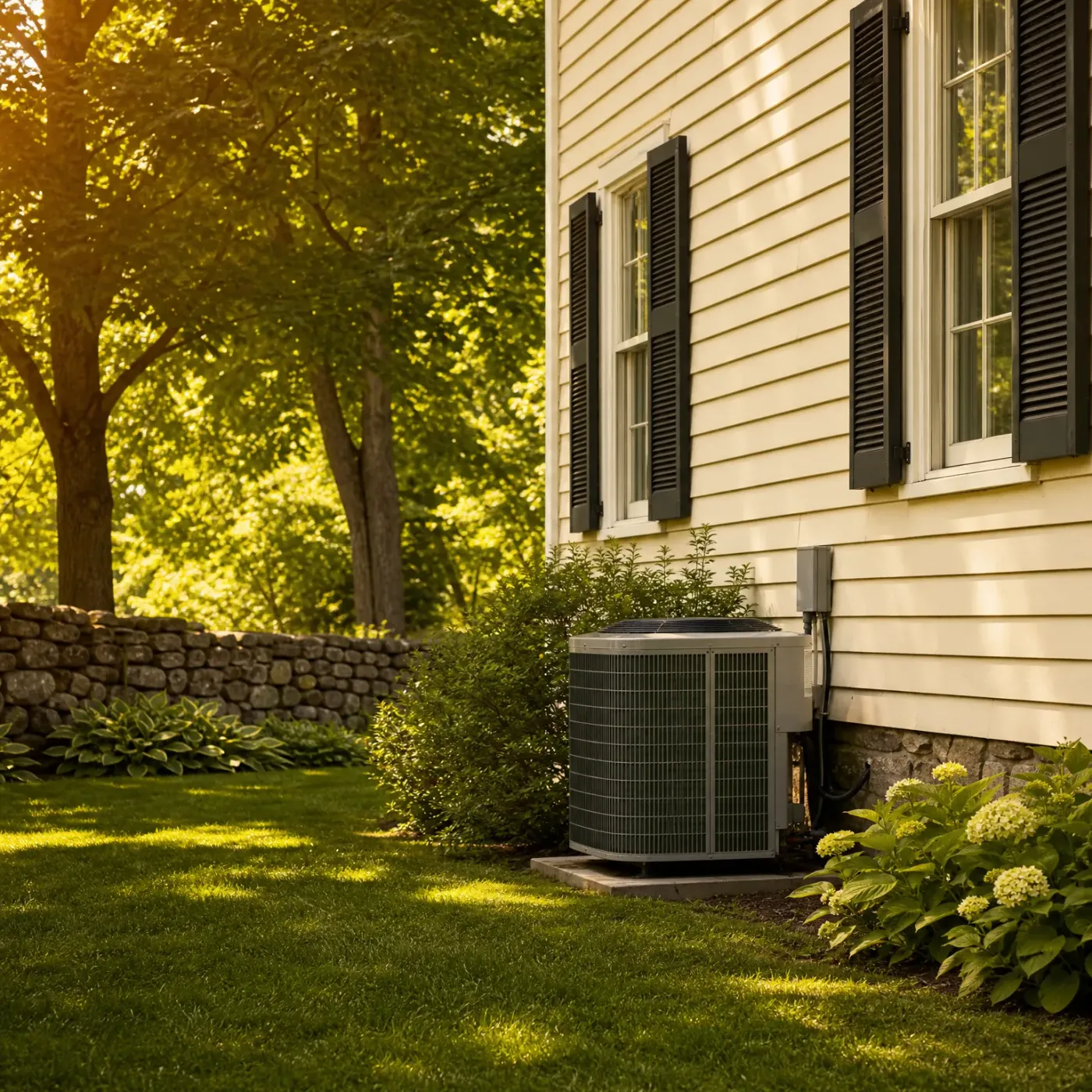
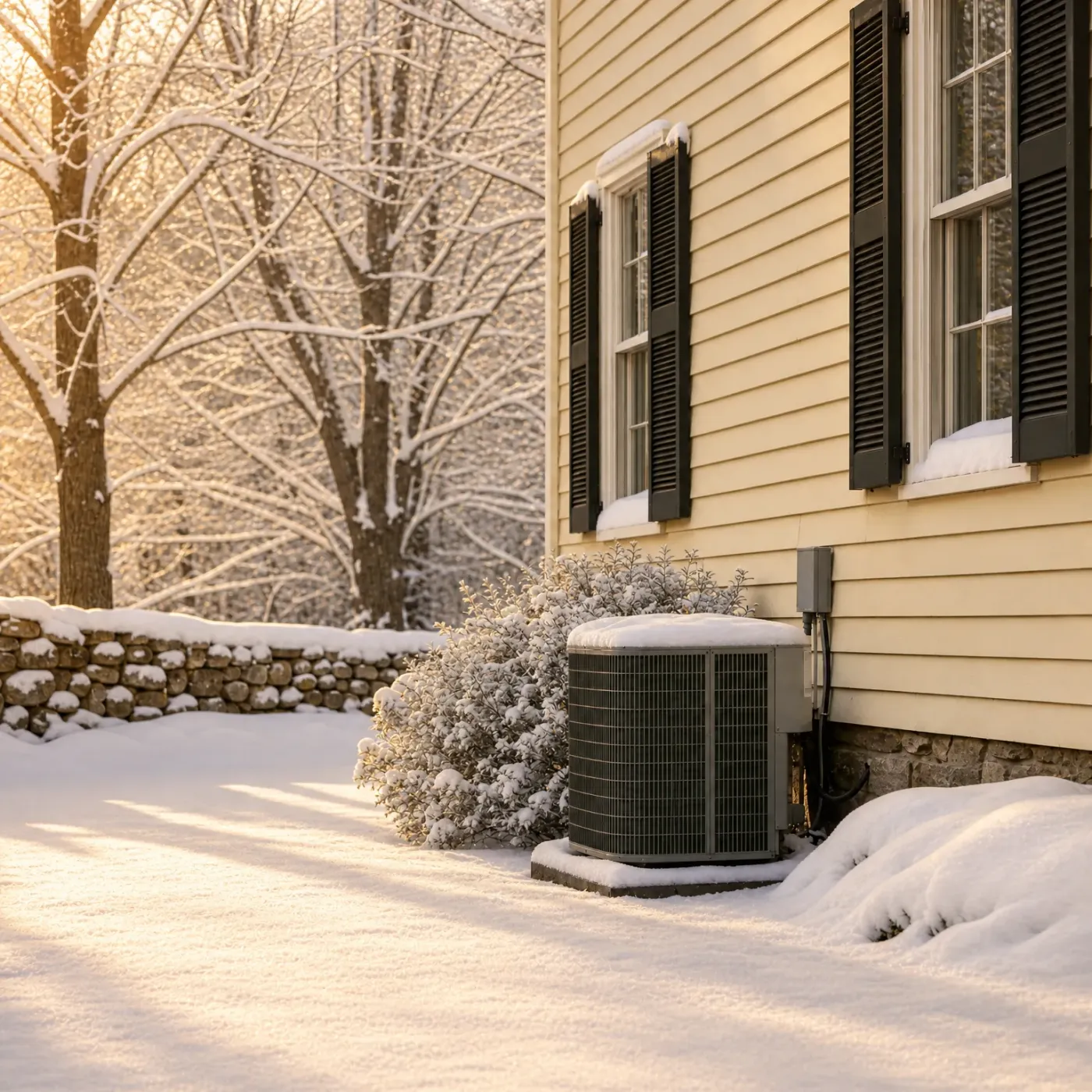
2 months of cooling, July through August
8 months of heat, October through May
What does an AC in Connecticut face?
How hot do summer afternoons get?
81°Faverage afternoon high where people live
Alaska66°F
Arizona101°F
How many months does the cooling run?
2 monthsof cooling a year
Alaska0 months
Hawaii12 months
What does electricity cost?
28.75¢per kWh, what homes paid in 2024
North Dakota11.51¢
Hawaii42.86¢
How often do storms hit?
216severe weather events per county from 2015 to 2024
Alaska5
Wyoming1,057
How many homes lost power for a day or more?
20%of homes in 2024
Arizona7%
Maine54%
A higher SEER2 rating earns back more here than it would most places
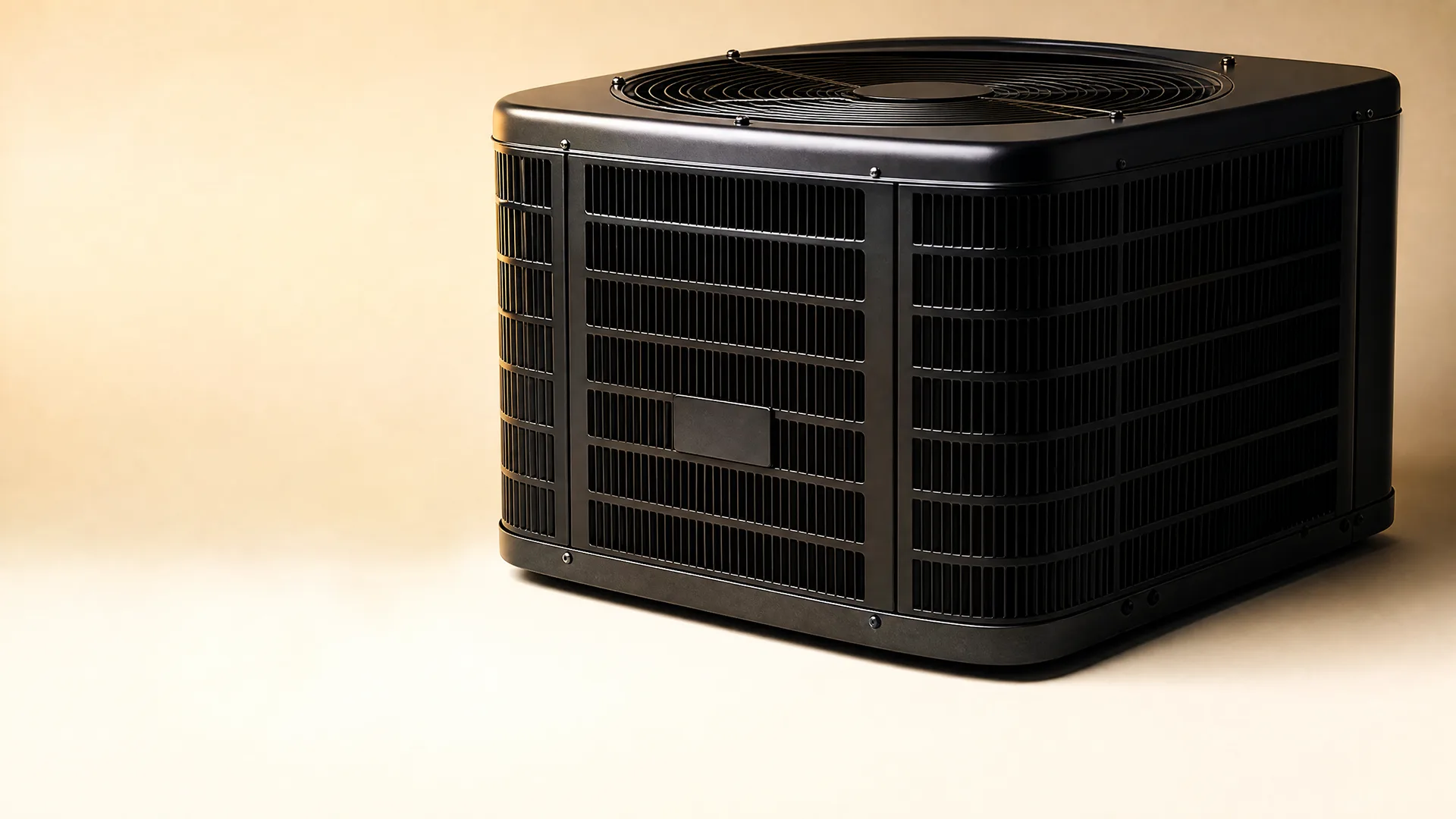
A new system here is paying an electric rate higher than in 46 other states, so the SEER2 (seasonal energy efficiency ratio under the 2023 test, an AC's cooling efficiency over a season) number on the spec sheet is not a formality. Two systems cooling the same house can run up very different bills if one is rated well above the minimum and the other barely meets it. Ask for that number before you ask about price. It also matters how the unit is set up once it is in. A correctly charged system with good airflow across the coil gets closer to its rated efficiency. One that is undercharged or starved for airflow will run longer and cost more than its rating promised, no matter how good the equipment was on paper.
What happens on install day
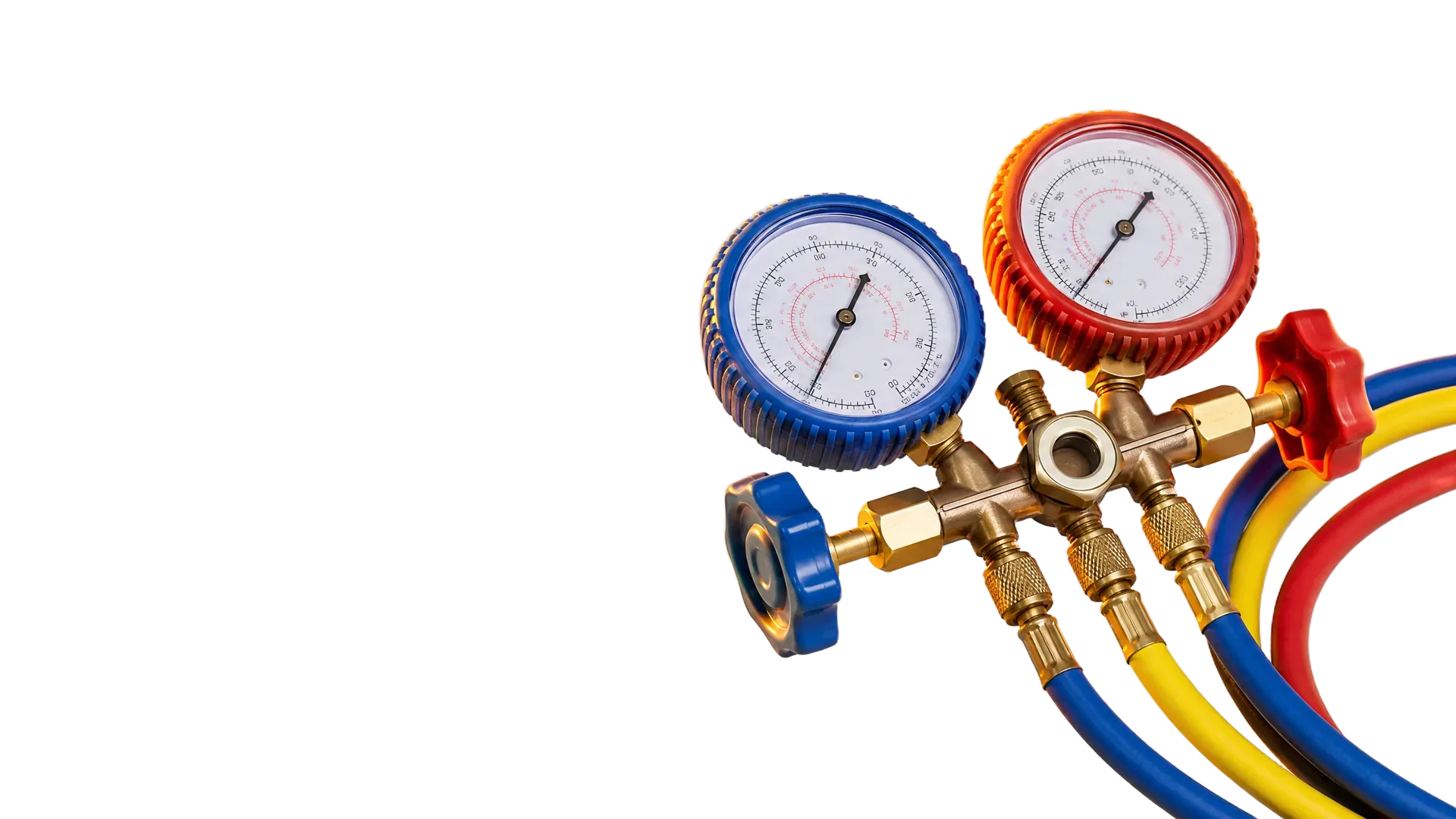
The old equipment comes out first, the indoor coil, the outdoor unit, and the line set that runs between them. If the ductwork is being reused, a good installer checks it before setting anything new, since a leak or a bad joint undercuts even a well matched system. The outdoor unit goes on a pad and gets leveled, so the compressor inside wears evenly over the years instead of straining against a tilt. Once the line set is connected, the system gets pulled down to a vacuum to clear out moisture and air. Skip that step and moisture mixes with the refrigerant, which leads to corrosion and weak cooling later on. After it holds vacuum, the system is charged with the amount of refrigerant the manufacturer specifies for that unit and that length of line. From there the installer should check airflow across the coil, measure the temperature difference between the air going in and the air coming out, and confirm the thermostat is controlling the system correctly. None of this shows once the covers go back on, which is why it is worth asking how the job was checked, not just whether it was finished.
Your part of the state changes the number
Greater Bridgeport needs about 79% more cooling over a year than Northwest Hills, where the state's cooling load is lowest. Two homes of the same size in those two places don't want the same system. A unit sized right for one would be wrong for the other, undersized in one case, oversized in the other. If you're comparing quotes, the load calculation should reflect where in the state the house actually sits, not a statewide average.
Summers here are short and mild, so the right system doesn't need to be the strongest one on the lot.
Tell us about the job
Takes about a minute. No obligation.
Fill out the form and a licensed Connecticut installer will size the job and give you a quote.