A tabby cat rests on a made bed in a dark modern bedroom equipped with a wall-mounted split air conditioner.

Mini Split Installation in Stamford, CT

Tell us about the job

Takes about a minute. No obligation.

New system or replacementMini-splitWestern Connecticut Planning Region, CT
Step 1 of 2

What ZIP code is the job in?

Electricity here runs 28.75 cents per kilowatthour

Connecticut power costs more than in most states. A mini split that moves heat instead of generating it costs less to run than baseboard or a straight electric furnace, and that gap matters more on a Connecticut bill than almost anywhere else.

The efficiency rating is worth checking before you buy

Mini splits carry a SEER2 and HSPF2 rating, and the spread between a basic unit and a high-efficiency one is real money over the life of the system. Ask what rating you're getting, not just what brand.

8 months
October through May, your system heats
3 months
June through August, it cools
22°F
the average winter night it heats against
81°F
the average summer afternoon it cools against
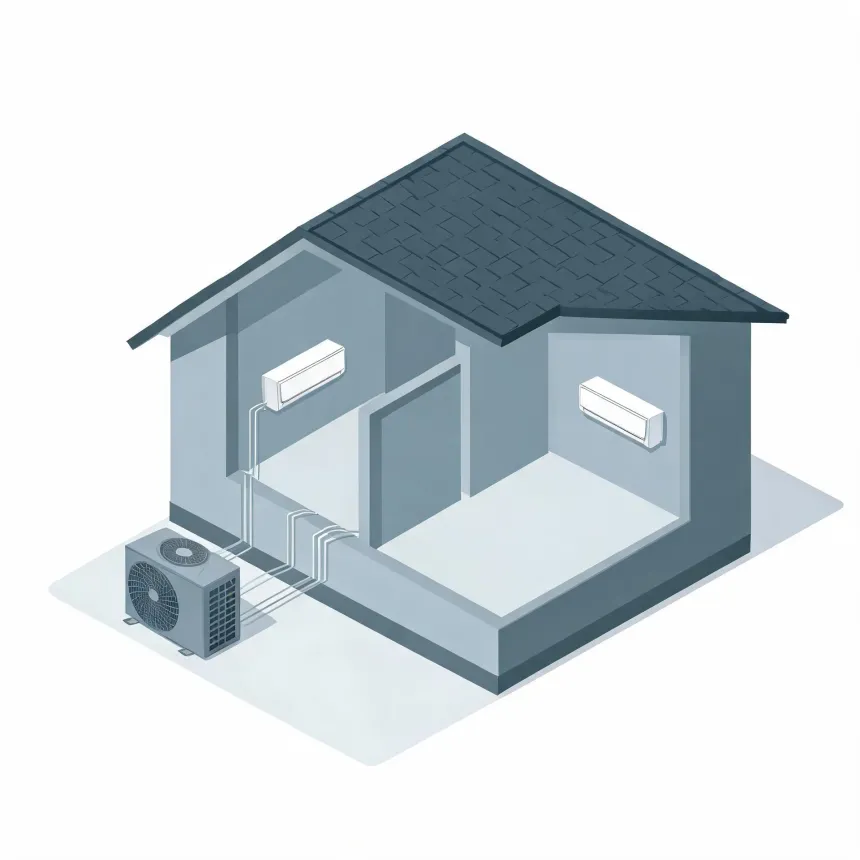
Isometric cutaway illustration of a small house showing two wall-mounted indoor air conditioning units connected by refrigerant lines to an outdoor condenser unit on the ground outside.
Your system heats October through May and cools June through August.

NOAA 1991–2020 monthly normals

Fuel oil heats more homes in this region than anything else, at 36 percent.

A mini split works alongside an oil system or replaces it, cutting the hours the oil burner has to run.

Three months of cooling at 81 degrees doesn't ask much of a mini split

Cooling runs June through August
Summer afternoons average 81°F
Power costs 28.75 cents a kWh statewide
May is the month to get this doneCooling starts in June and runs through August. Install before then and the system is ready on day one.

Half the homes in Stamford and the rest of this region were built in 1971 or earlier. A mini split doesn't care how old the house is, but the install has to work with what's already there. The lineset has to get from the outdoor unit to the indoor one, through a wall or a chase, and an older house wasn't framed with that path in mind. The wall you want for the indoor unit might back up to a chimney or sit on an exterior wall with little room behind it. None of that rules out a mini split. It means the sizing and the placement should be worked out for your rooms, not dropped in from a standard layout. Ask what the contractor is basing the room-by-room sizing on before anything gets installed.

A correctly sized mini split is all this job calls for

Sizing a mini split doesn't take any guesswork specific to Stamford. A unit matched to the room and a standard efficiency rating will do the job here. Where the power goes out, a mini split won't run without it, same as any other electric system, but that's not a reason to size up or pay more. Get the sizing right for the rooms and the rest follows.

Find a contractor
A beige split-system air conditioner outdoor condenser unit mounted on metal wall brackets atop a stucco wall.

Three months a year is a light load

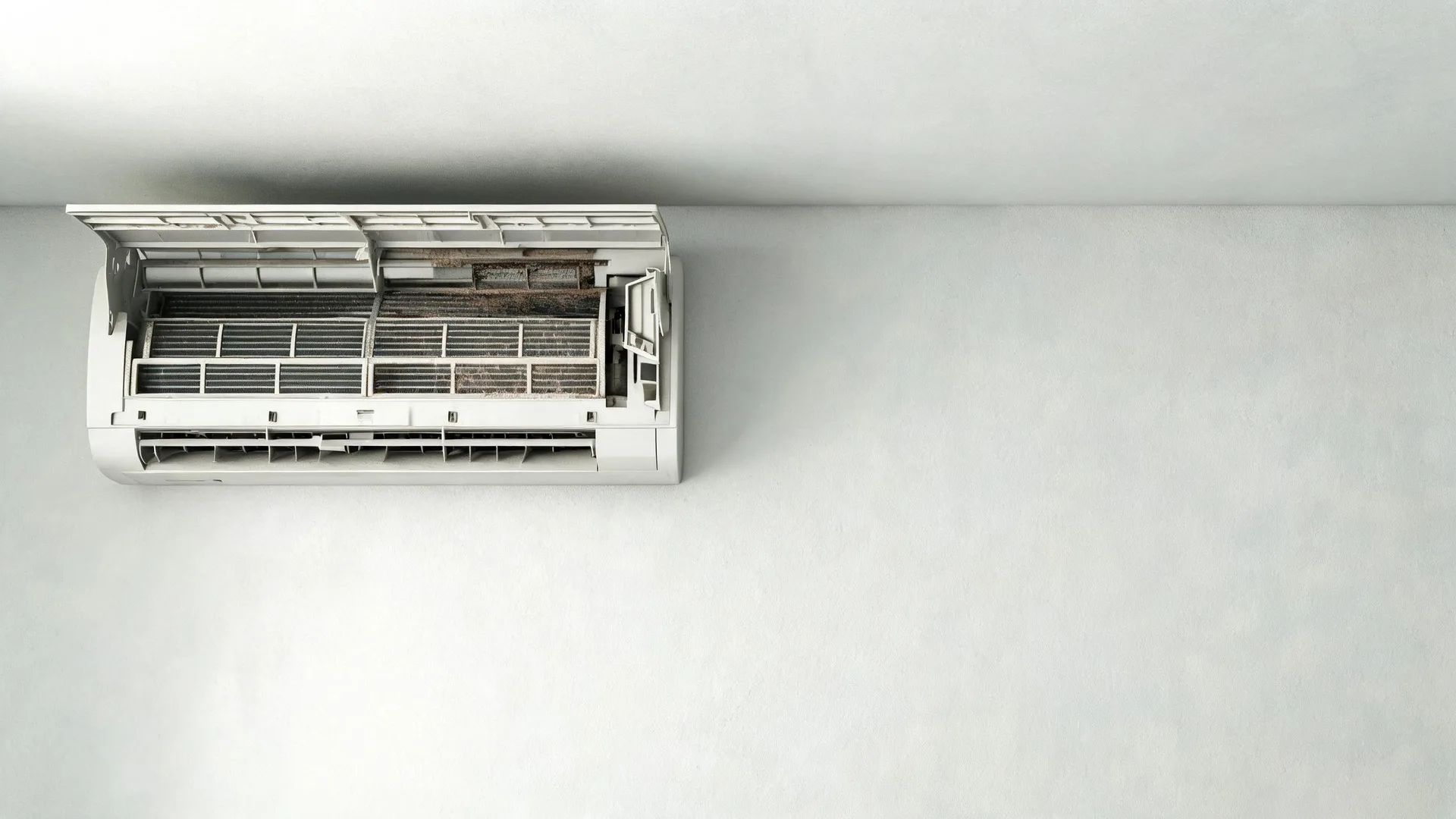
Three months a year is a short season for any cooling system to carry. The compressor isn't running close to its limit through a Stamford summer, so a correctly sized mini split can go a long time before anything in it wears out. That's why age and upkeep matter more here than how hard the thing has had to work. A unit that's gone unserviced or has a few years on it is more likely behind a problem than the three months of 81 degree afternoons it's been asked to handle.

Ask how many zones it covers

One outdoor compressor can run one indoor head or several, up to a limit the manufacturer sets. Spreading several rooms off one compressor costs less than separate systems but means a problem with that compressor affects every room on it. Ask how the zones are split and what happens to the other rooms if one head needs service.

Ask who services the brand locally

A mini split needs its filters cleaned, its coil checked, and its condensate line cleared on a schedule, same as any cooling system. Some brands are sold and serviced by a lot of contractors in a given area, and some are carried by only a handful. Before you buy, ask who else nearby can work on it, not just who's installing it now.

Sizing a mini split means working out how much heat and cooling each room actually needs, not matching the number on the old system or guessing by square footage alone. A contractor doing this right looks at the windows, the ceiling height, which way the room faces, and what's on the other side of its walls, because a room over a garage loses heat differently than one over a heated basement. Too big and the unit short cycles, running in quick bursts that cool the room fast but never run long enough to pull the moisture out of the air, leaving it cold and clammy. Too small and it runs flat out all day without reaching the temperature you set it to. Either mistake wastes the money spent on the equipment. The load calculation takes longer than eyeballing it, but it's the only way the head you install actually matches the room it's hanging in.

Install day starts with the outdoor compressor and works inward. The outdoor unit gets set on a pad or bracket, then the lineset runs from it to each indoor head, carrying refrigerant through a wall penetration sealed against weather. Once the lines are connected, the system gets evacuated with a vacuum pump to pull out air and moisture before any refrigerant moves through it. Skip that step and moisture left in the lines turns to acid over time and eats at the compressor from the inside. After the vacuum holds, the lines get charged, the indoor heads get mounted and leveled, and the whole system gets tested across every zone before anyone calls it done. A clean install shows almost nothing on the wall beyond the head itself and a small line hiding the piping outside.