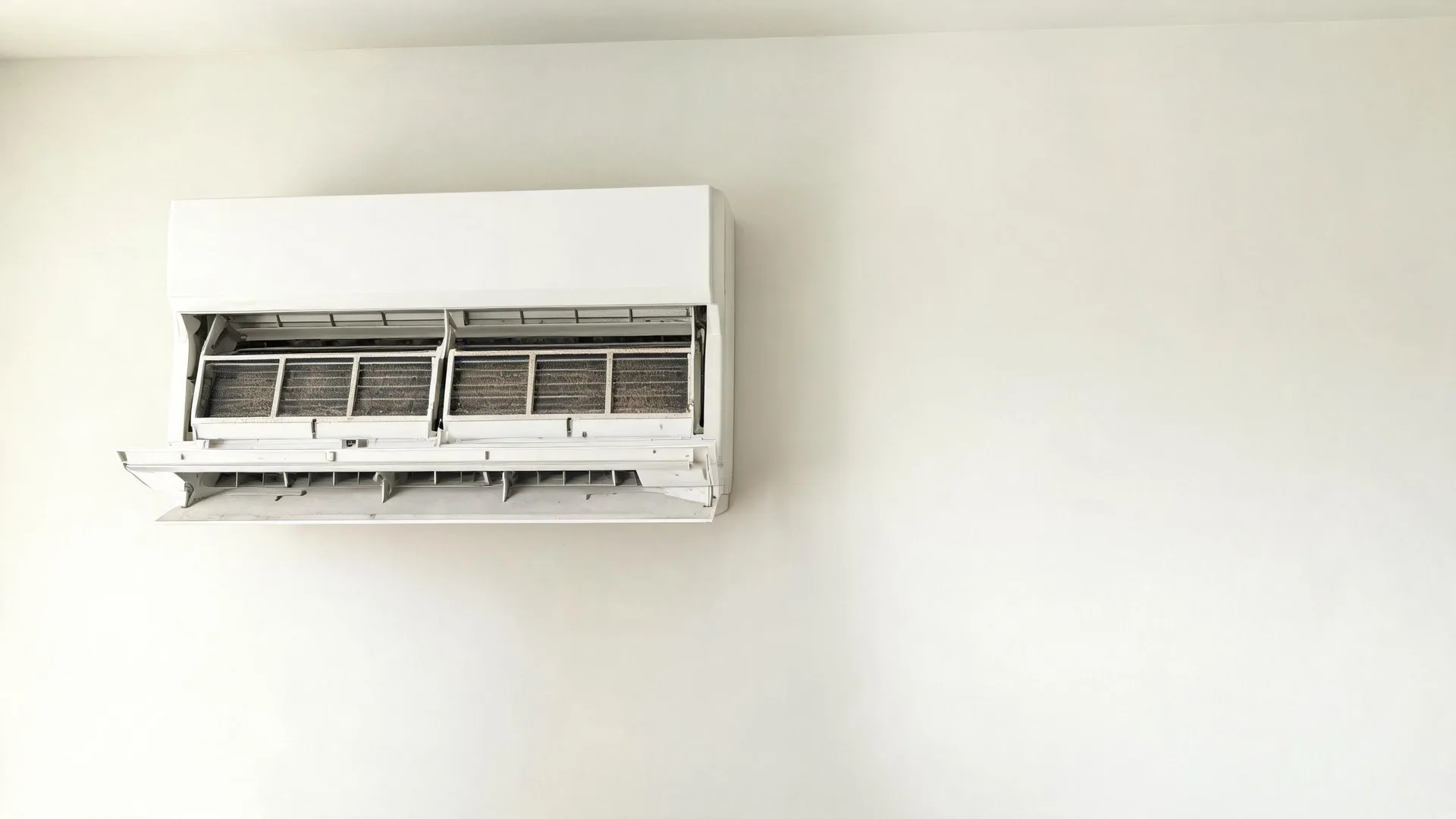
Electricity here runs 28.75 cents a kilowatt-hour
Connecticut's electric rates are among the highest in the country. A mini split's efficiency rating matters more on a bill here than it would somewhere paying less per kilowatt-hour.

Takes about a minute. No obligation.
Connecticut's electric rates are among the highest in the country. A mini split's efficiency rating matters more on a bill here than it would somewhere paying less per kilowatt-hour.
When pricing out units for this job, check the SEER2 rating on each one. A higher rated system uses less electricity to move the same amount of heat or cold, and at Connecticut's rates that difference shows up every month.
NOAA 1991–2020 monthly normals
Cooling in Danielson runs July through August.
June is the month to get a mini split installed, before the first hot day puts it to work.




Most homes in this part of Connecticut heat with fuel oil, not electricity or gas. A mini split doesn't compete with that system, it works alongside it. For the two months of cooling the region actually needs, and for the shoulder weeks in spring and fall, a mini split can carry the load without touching the oil furnace at all. Some homeowners use one to heat a room they don't want to run the furnace for, like a converted porch or a basement office. Either way, check what your home already has before deciding what the mini split needs to do.
Half the homes in this region were built in 1973 or earlier. An older electrical panel or older wall construction doesn't always match what a new mini split expects. Before picking a unit, check what your home's panel and walls can actually take.
Find a contractorA mini split installed in a home from that era is running on wiring and walls nobody in the room put in. The contractor sizing the unit has to work from what the panel and the walls can take, not just the square footage. That's a load calculation, done before the unit is picked, not after it's on the wall.
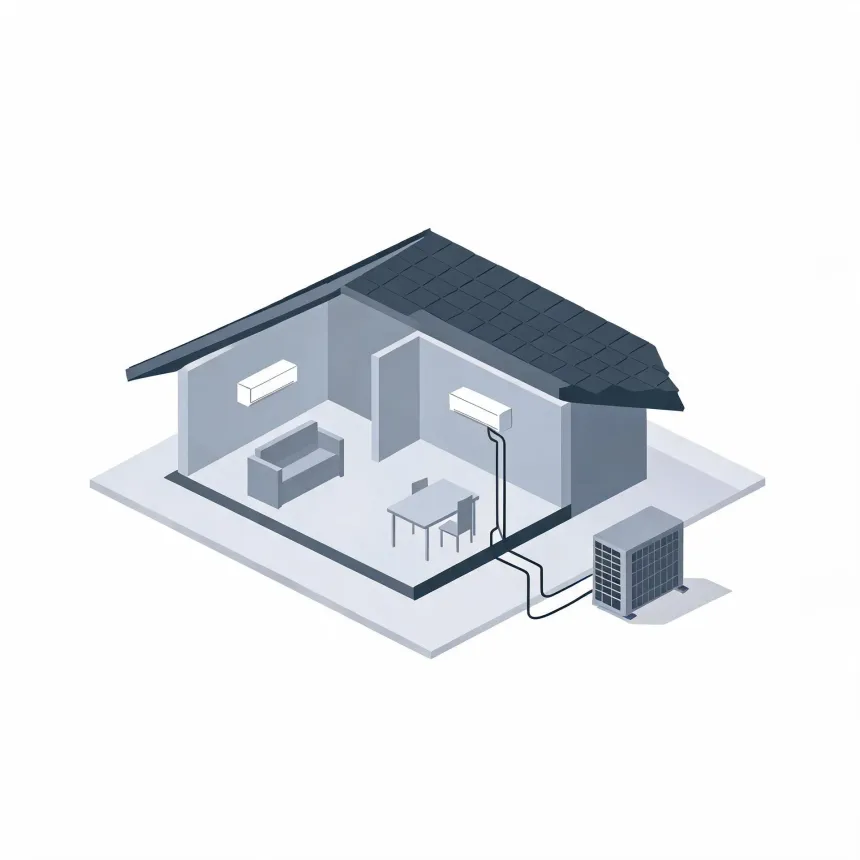
A single indoor head talking to one outdoor compressor costs less than a multi-zone setup running several heads off one condenser. Each added zone means another line set, another indoor unit mounted and wired, and a condenser sized to handle all of them at once. Pricing out a whole-house approach with several zones is a different job than cooling one room.
The refrigerant line connecting the indoor head to the outdoor unit has to run through a wall, and how far it travels and what it passes through changes the labor. A short, straight run through an exterior wall behind the indoor unit is the easy case. Routing a line set up through a chase, across a long interior run, or through finished walls to reach the spot that makes sense for the room takes more time and more material.
Once you've got quotes in hand, the model numbers matter more than the brand name on the box. Ask what the rated capacity is at low outdoor temperatures, not just at a mild setpoint, since that number tells you whether the unit keeps heating when it actually gets cold instead of coasting on a spec sheet. Ask whether the quote includes a line hide or just leaves the line set exposed on the wall, because that changes how the job looks when it's done. Ask who sizes the unit and how, since a contractor who quotes a number before walking the room is guessing. And ask what happens if the load calculation comes back different from what you expected, before you've committed to a unit that doesn't match it.
Install day starts outside, with the outdoor condenser set on a pad or bracket and leveled, since a unit sitting crooked won't drain condensate right over time. Inside, the mounting plate goes on the wall first, then the indoor head hangs on it once the line set is ready to connect. The hole through the wall for the line set, drain, and power wire is usually small, a few inches across, but where it lands matters more than how big it is. Once everything is run and connected, the line gets pulled down to a vacuum before any refrigerant moves, which clears out air and moisture that would otherwise sit in the line and cause problems later. Skipping that step is one of the most common reasons a new system runs poorly from the start. After that, it's a matter of powering it on, checking the temperature split between the air going in and the air coming out, and confirming the drain actually carries water where it's supposed to.