Three months to carry the load
Cooling in Norwich runs June through August. A unit that was already weak gets found out fast once it has to run every day.
Takes about a minute. No obligation.
Cooling in Norwich runs June through August. A unit that was already weak gets found out fast once it has to run every day.
A system that struggled last summer will show the same signs again. Getting it looked at in May means it gets fixed before the first hot stretch, not during it.
NOAA 1991–2020 monthly normals
Norwich only asks for cooling from June through August, with afternoon highs around 80.
Three months of moderate heat is a light load, so most AC problems here come from age or a part wearing out, not from the system being run into the ground.




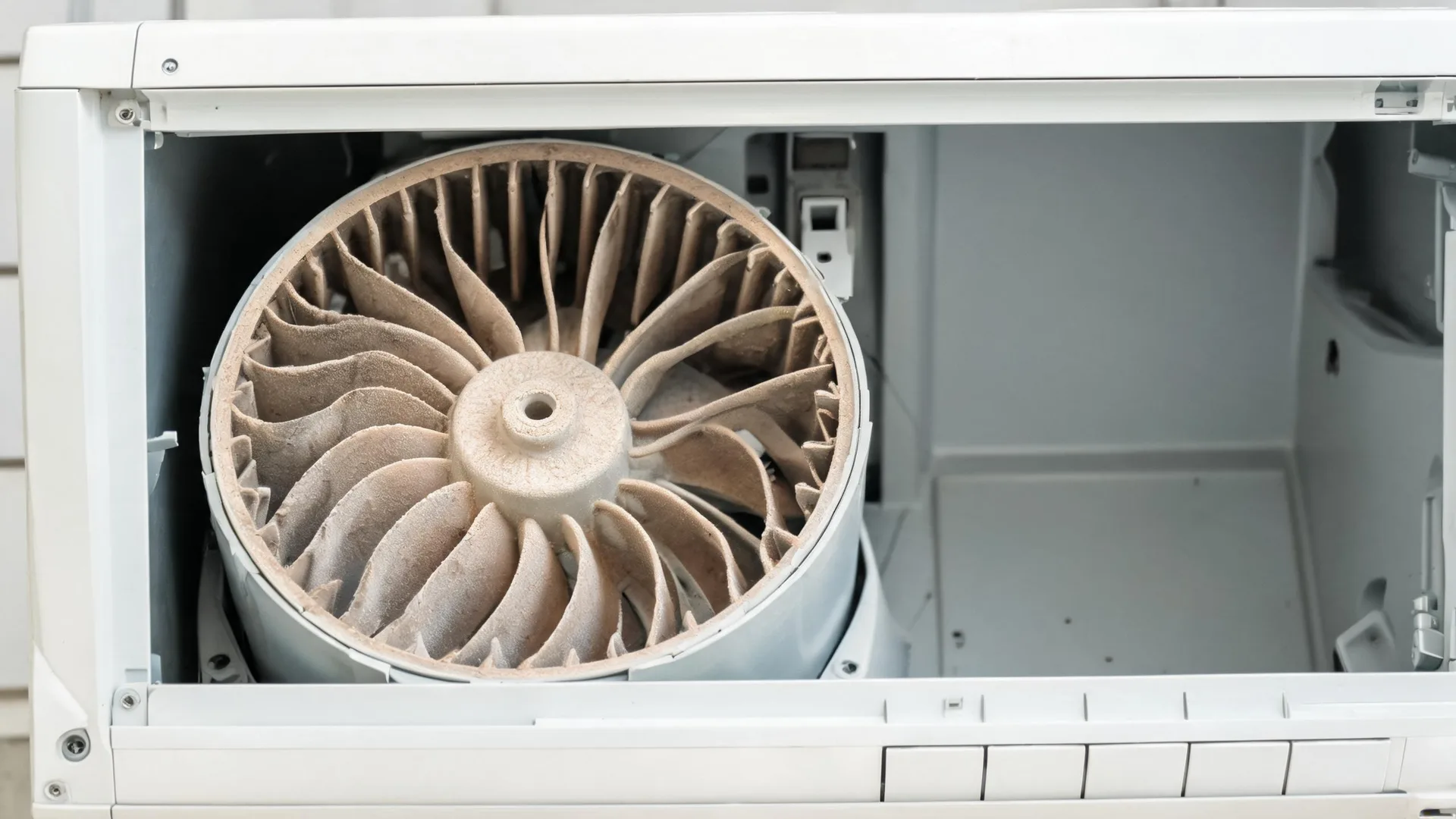
A system that's low on refrigerant or losing airflow across the coil doesn't stop cooling right away. It keeps running, trying to hit the thermostat setting it can't reach anymore. That makes the compressor work harder than it's built to, for longer stretches than it's built to. Heat that should leave the compressor along with the refrigerant stays put instead. Run it long enough in that state and the compressor is what fails, not the part that caused the problem in the first place. A capacitor or a dirty coil is a repair. A burned-out compressor is often a reason to replace the whole system.
A light summer load means most problems trace back to a single worn part, not a system that's been run too hard. That's usually a straightforward fix. Get it diagnosed and you'll know what you're dealing with.
Find a contractorA repair call is the right time to ask that question directly. Have the technician give you a straight answer on the unit's age and condition, not just a quote for today's fix, before you decide whether to pay for the repair.
The capacitor gives the compressor and fan motor the jolt they need to start. It weakens slowly, then quits all at once. You get a unit that hums but won't start, or a fan that doesn't spin. It's a small part, and swapping it out is usually quick work.
The outdoor coil needs airflow across it to dump heat from the refrigerant. Dirt, grass clippings and leaves matting the fins choke that off. The compressor keeps running but can't do its job, so the house doesn't cool and the system runs longer than it should. Left that way long enough, it's the compressor that pays for it.
Estimates for a typical Norwich home, compared with an older unit built to the previous federal minimum, from EIA household energy data, Connecticut fuel prices and NOAA climate normals. Your home will differ.
Repair makes sense when a part like a capacitor or contactor has failed.
Replacement makes sense when the compressor has failed or the system uses R-22 refrigerant, which is no longer made.
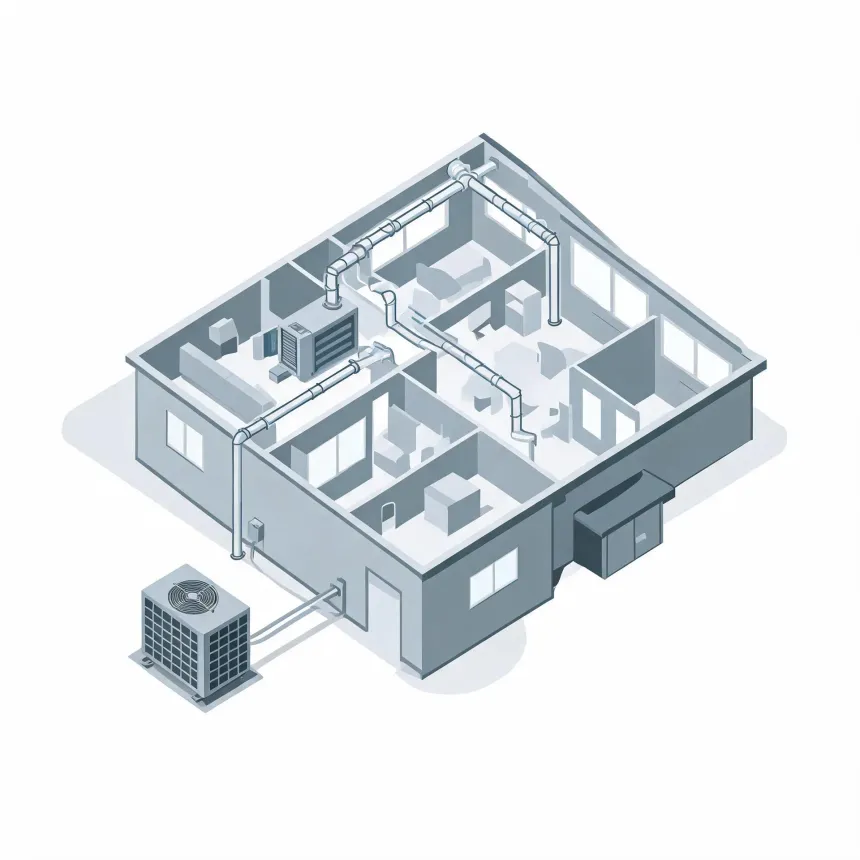
A diagnostic call starts outside, at the unit itself. The technician checks that the fan spins freely and that the coil isn't matted with dirt or clippings. Gauges go on the lines to read refrigerant pressure, because low pressure points to a leak and high pressure points to something restricting flow. Inside, they'll test the capacitor's output and check the contactor for pitting, since both wear out quietly before they fail outright. Electrical readings at the compressor tell them whether it's pulling too much current, a sign it's working harder than it should. By the end you get a straight answer on what's worn, what it needs, and what it means for the rest of the system.