A two-story red brick house with black shutters and a covered porch sits behind a wide green lawn, framed by large leafy trees, with a dry-stacked stone retaining wall in the foreground.

AC Maintenance in New Haven, CT

Tell us about the job

Takes about a minute. No obligation.

Tune-up, service, or cleaningCentral ACSouth Central Connecticut Planning Region, CT
Step 1 of 2

What ZIP code is the job in?

Electricity here costs more

Connecticut homes paid 28.75 cents per kilowatthour in 2024. That is well above what most of the country pays. A dirty coil or a low charge makes the compressor work harder for the same cooling, and every extra kilowatthour it draws costs more here than almost anywhere else.

A neglected system wastes what it uses

An AC that runs dirty or low on refrigerant uses more power to do the same job as one that is clean and charged right. In a state paying this much per kilowatthour, that waste adds up faster than it would somewhere cheaper.

3 months
June through August, your air conditioner is on duty
81°F
the average summer afternoon it cools against
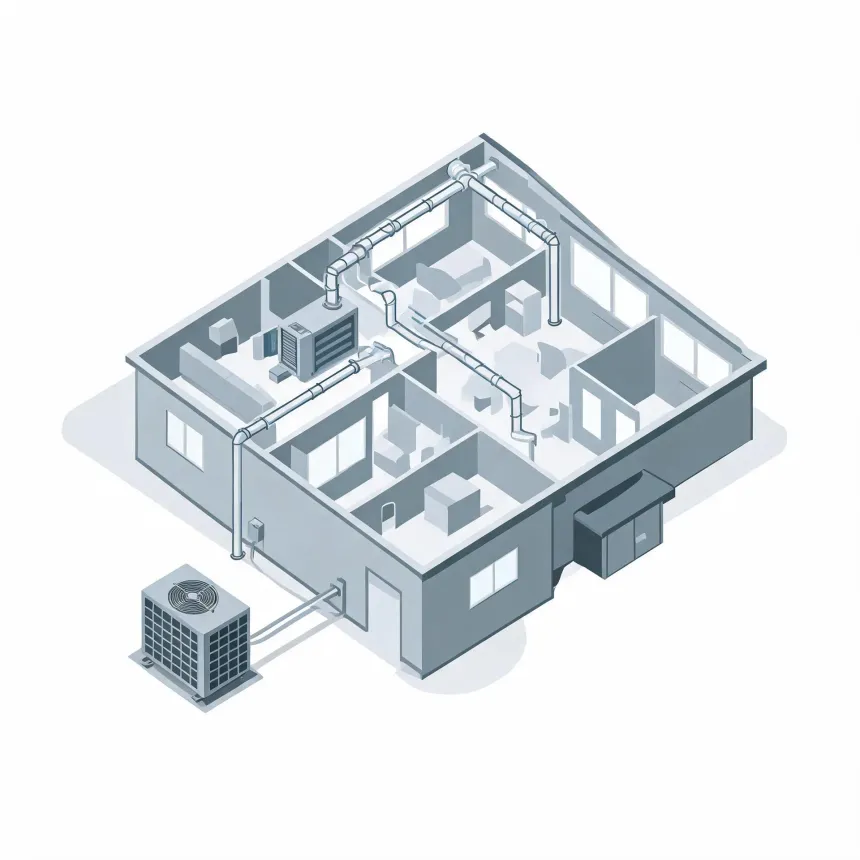
Isometric grayscale illustration of a cutaway house showing interior rooms, ceiling ductwork connected to an indoor air handler, and an outdoor condenser unit linked by lines along the exterior wall.
Your air conditioner works hardest from July through August.

NOAA 1991–2020 monthly normals

New Haven summers run June through August, with afternoon highs averaging 81 degrees.

A system here isn't fighting extreme heat for long, and a yearly check catches the wear that builds up anyway.

One tune-up before summer covers it

20% of homes statewide lost power a day or more in 2024
Cooling runs June through August
Summer afternoons average 81°F
Easy duty here, but not effortlessThree months of 81 degree afternoons won't wreck a system. A year of nobody checking it might.

Half the homes in this part of Connecticut were built in 1964 or earlier. A system in a house that old may be newer than the house itself, but it still ties into ductwork and wiring nobody has looked at in years. That's not a problem by itself. It just means a small issue has more places to hide. A yearly check gets a tech in front of the coil, the refrigerant charge and the electrical connections before any of it turns into a breakdown during the hottest part of summer. Catching a weak capacitor early is a quick fix. Finding it after it fails is not.

A clean, charged system costs less to run

At 28.75 cents a kilowatthour, a dirty coil or a low charge shows up on the bill fast. A yearly tune-up gets the coil cleaned and the charge checked before the system spends a summer working harder than it needs to.

Find a contractor
An outdoor air conditioning condenser unit mounted on a concrete pad surrounded by gravel, photographed against a partly cloudy blue sky.

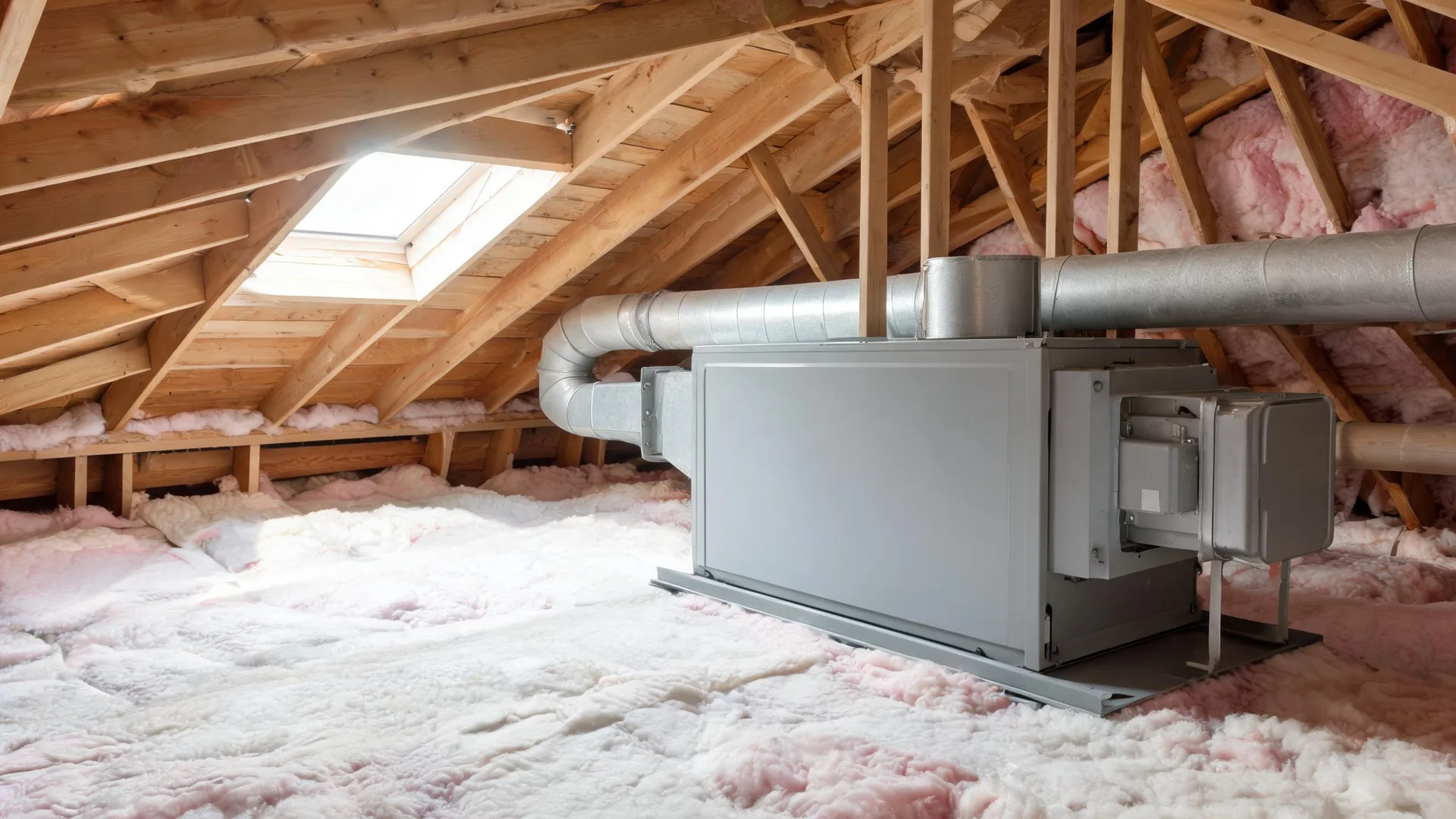
What keeps it running right until then

Between visits, keep the area around the outdoor unit clear. Grass clippings, leaves and mulch piled against it block airflow across the coil, and the system has to run longer to move the same heat. A couple feet of open space on all sides is enough. Check the air filter too. A filter clogged with dust cuts airflow through the ducts, and the coil can ice over when that happens. Look at it monthly and swap it when it's visibly gray. Indoors, make sure the supply vents aren't blocked by furniture or rugs. The system is built to push a certain volume of air through the house, and closing off too many vents makes the blower work against itself. None of this replaces a tech checking the refrigerant charge or the electrical connections, but it keeps the system from working harder than it has to until someone does.

The filter is the only part you can check yourself

Every bit of air the system moves passes through that filter first. Once it's packed with dust, less air gets across the indoor coil, and the coil can get cold enough to ice over. A frozen coil stops cooling the house and can send liquid refrigerant back toward the compressor, which isn't built to handle it.

The drain line fails quietly until it doesn't

The indoor coil pulls moisture out of the air all summer, and that water has to leave through a drain line. Algae and dust build up inside that line the same way they would in any drain. Once it clogs, the water backs up into the drain pan and spills into the house instead, usually with no warning before it happens.

Overhead view of a gray residential air conditioning condenser unit mounted on a concrete pad beside a house with asphalt shingle roofing.

Book your AC tune-up in May, before homes here start needing cooling in June.

  1. Jan
  2. Feb
  3. Mar
  4. Apr
  5. May
  6. Jun
  7. Jul
  8. Aug
  9. Sep
  10. Oct
  11. Nov
  12. Dec

A tune-up checks the refrigerant charge, cleans the coils, tests the capacitor and tightens the electrical connections.

A real tune-up starts outside at the condenser. The tech pulls the panel and cleans the coil, because a coil coated in dust can't release heat and makes the compressor run longer than it should. From there it's the refrigerant charge, checked against what the system is supposed to hold, since too little means poor cooling and too much strains the compressor just as badly. The capacitor and contactor get tested under load, not just looked at, because those are the parts most likely to be weakening without showing it yet. The blower wheel gets checked for grime buildup, and the electrical connections get tightened, since a loose connection generates heat of its own. None of this is guesswork. Each part has a range it should fall in, and the visit either confirms it does or catches the one that's drifting.