Electricity here runs 28.75 cents per kilowatthour
Connecticut's electric rates are among the highest in the country. A central air conditioner draws more power than almost anything else in the house, so that rate hits the summer bill hard.
Takes about a minute. No obligation.
Connecticut's electric rates are among the highest in the country. A central air conditioner draws more power than almost anything else in the house, so that rate hits the summer bill hard.
At 28.75 cents per kilowatthour, a unit that uses less power to produce the same cooling earns back the difference faster than it would somewhere cheaper. Check the SEER2 rating on anything you're comparing, since it tells you how much electricity the system needs to do its job.
NOAA 1991–2020 monthly normals
A bigger air conditioner doesn't cool a house faster, it just runs for less time.
Short runs mean the system never gets a long enough cycle to pull humidity out of the air, so the house feels damp even when it's cold.




A standard size and a standard efficiency rating are the right call for a Waterbury install. Nothing about this county pushes you toward a bigger unit or a higher-tier one. The one thing worth planning around is the power itself. In 2024, 20% of Connecticut households lost power for at least 24 hours. A central air conditioner comes back on by itself once power is restored, so there's nothing to reset or switch on. But while the power is out, a standard system with no backup just won't run.
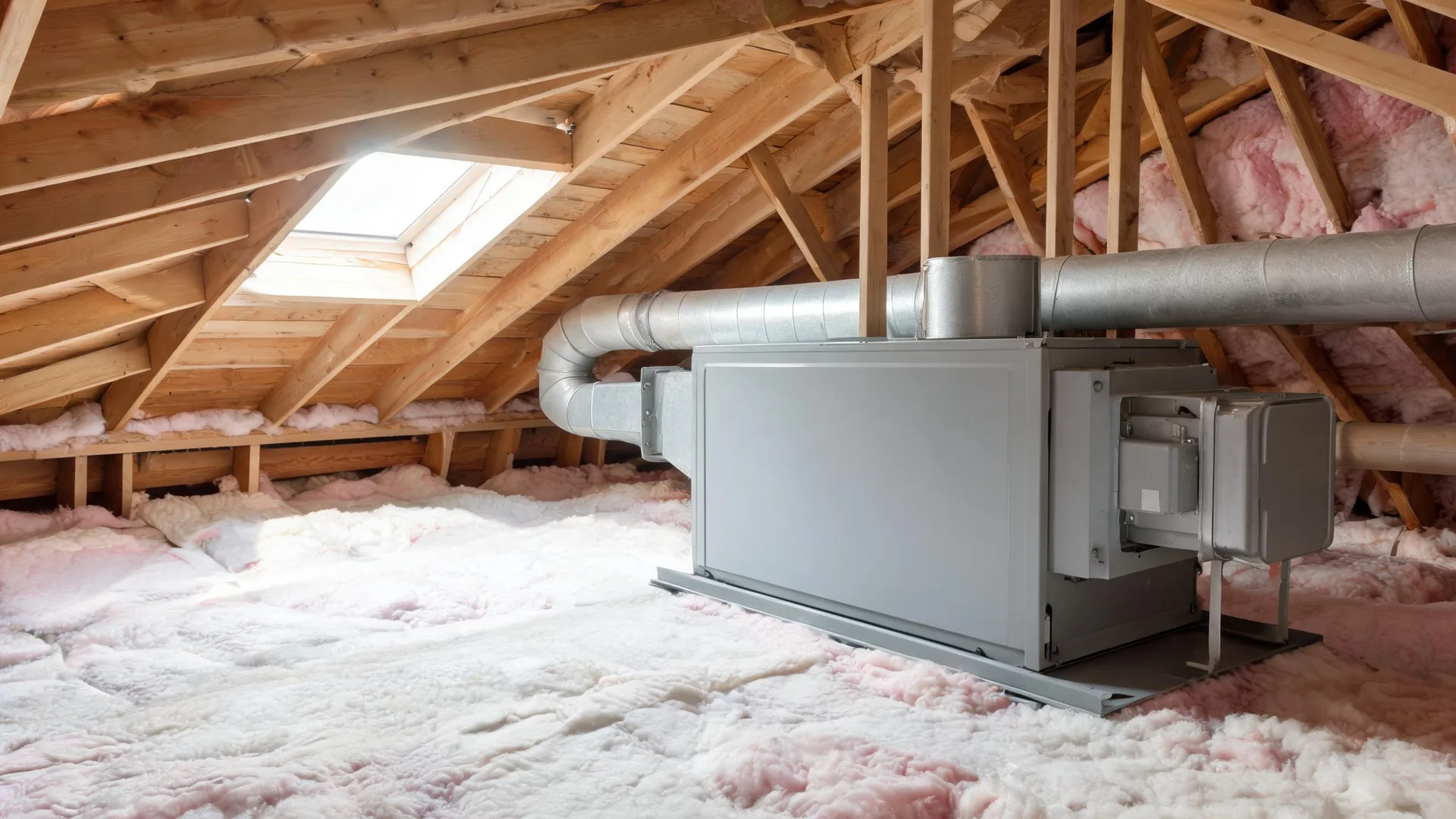
Half the homes in this region were built in 1969 or earlier. Whatever is already running the ductwork, the wiring, the gas line, came with that house, not with the new system going in. A new AC sized and matched to what's actually there will run the way it's supposed to. One sized off a guess won't.
Find a contractor
Ask whoever quotes the job to do a load calculation on your house, not a guess based on square footage. In a house built in 1969 or earlier, the ductwork was sized for whatever system was in there originally, and it may not match what a new AC needs to run right. A unit that's too big for the ducts it's tied to will short cycle. One that's too small will run long and still not cool the place evenly. The only way to know which you have is to measure.
SEER2 tells you how much cooling a system produces for the electricity it uses. It has nothing to do with how much cooling your house needs. A contractor still has to size the unit to your home separately. Don't let a high rating talk you into a bigger or smaller unit than the load calculation calls for.
A SEER2 number comes from a lab test with the refrigerant charge and airflow set exactly to spec. A system installed with the wrong charge or ducts that restrict airflow will run below its rating no matter what the label says. The equipment earns the number. The installation decides whether you actually get it.
Estimates for a typical Waterbury home, from EIA household energy data, Connecticut fuel prices and NOAA climate normals. Your home will differ.
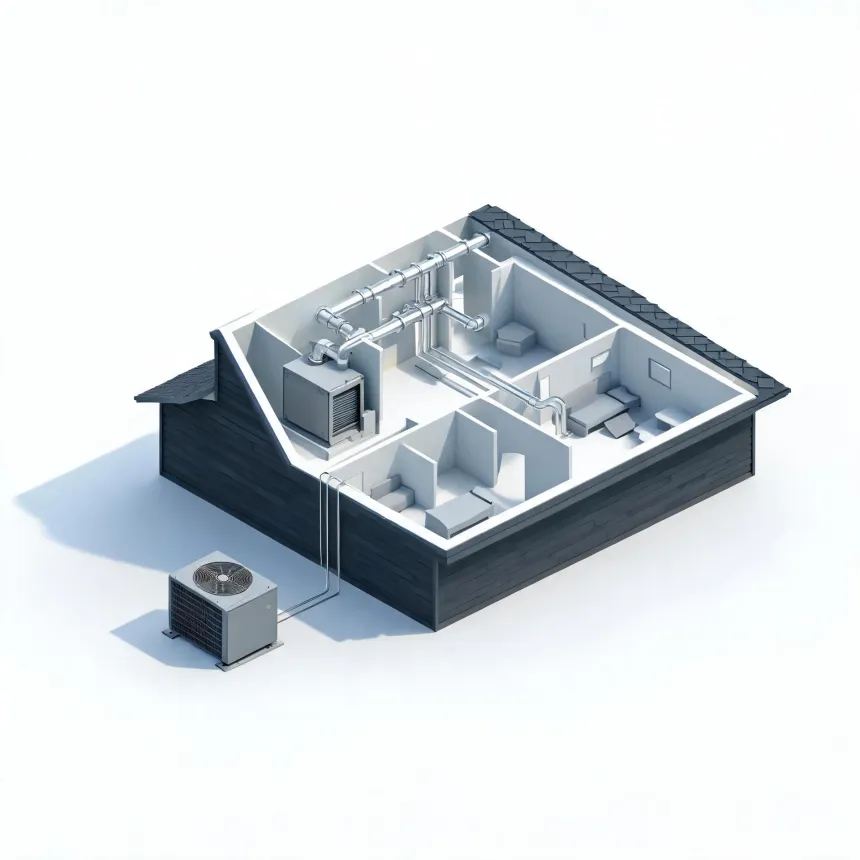
Equipment is only one line on the invoice. The bigger piece is what it takes to get refrigerant lines, ductwork and electrical to where the new unit needs them to be. If the lineset has to run further than the old one did, or the breaker panel doesn't have room for a new circuit, that's labor and material before the AC itself even gets set. Ductwork matters just as much. Sealing a leaky duct run or adding a return costs more than hooking up to one that's already sized right. None of this shows up on the sticker price of the unit, but it's the work that decides whether the install goes clean or runs long.