







Two white multi-story colonial houses with lit windows and black shutters photographed at night, fronted by a stone wall.

AC Installation in Bridgeport, CT

Tell us about the job

Takes about a minute. No obligation.

New system or replacementCentral ACGreater Bridgeport Planning Region, CT
Step 1 of 2

What ZIP code is the job in?

Electricity in Connecticut runs 28.75 cents per kilowatthour, well above what most of the country pays. An air conditioner that sits outside for years is going to pull on that rate every time it cycles on. A system that's sized and installed right turns that electricity into cooling without waste. One that isn't shows the difference on every bill it touches. SEER2 is the rating that tells you how well a system does that conversion, and at this rate it's worth more here than it would be somewhere power is cheap. Ask any contractor what SEER2 they're quoting and why.

4 months
June through September, your air conditioner is on duty
81°F
the average summer afternoon it cools against
13.4 SEER2
the federal minimum any new unit must meet
Isometric cutaway illustration of a single-story house with a dark shingled roof, showing interior rooms with ductwork and an indoor air handler connected to an outdoor condenser unit beside the building.
Your air conditioner works hardest from July through August.

NOAA 1991–2020 monthly normals

Half the homes in this region were built in 1959 or earlier.

An older house needs a load calculation before a new system goes in, not a swap for whatever size sat there before.

Bridgeport doesn't need an oversized system, it needs a reliable one

20% of homes statewide lost power a day or more in 2024
Cooling runs June through September
Summer afternoons average 81°F
Four months of work a yearAfternoons average 81°F here, and the AC only runs June through September.

Homes here start running their AC in June, so May is the month before it. That makes May the better time to put in a new system. The contractor has room to size it right and test it before the first hot day, instead of rushing a decision with the old system already down. From June through September it runs about four months straight. A system put in during May gets all of that first stretch to prove it was installed right.

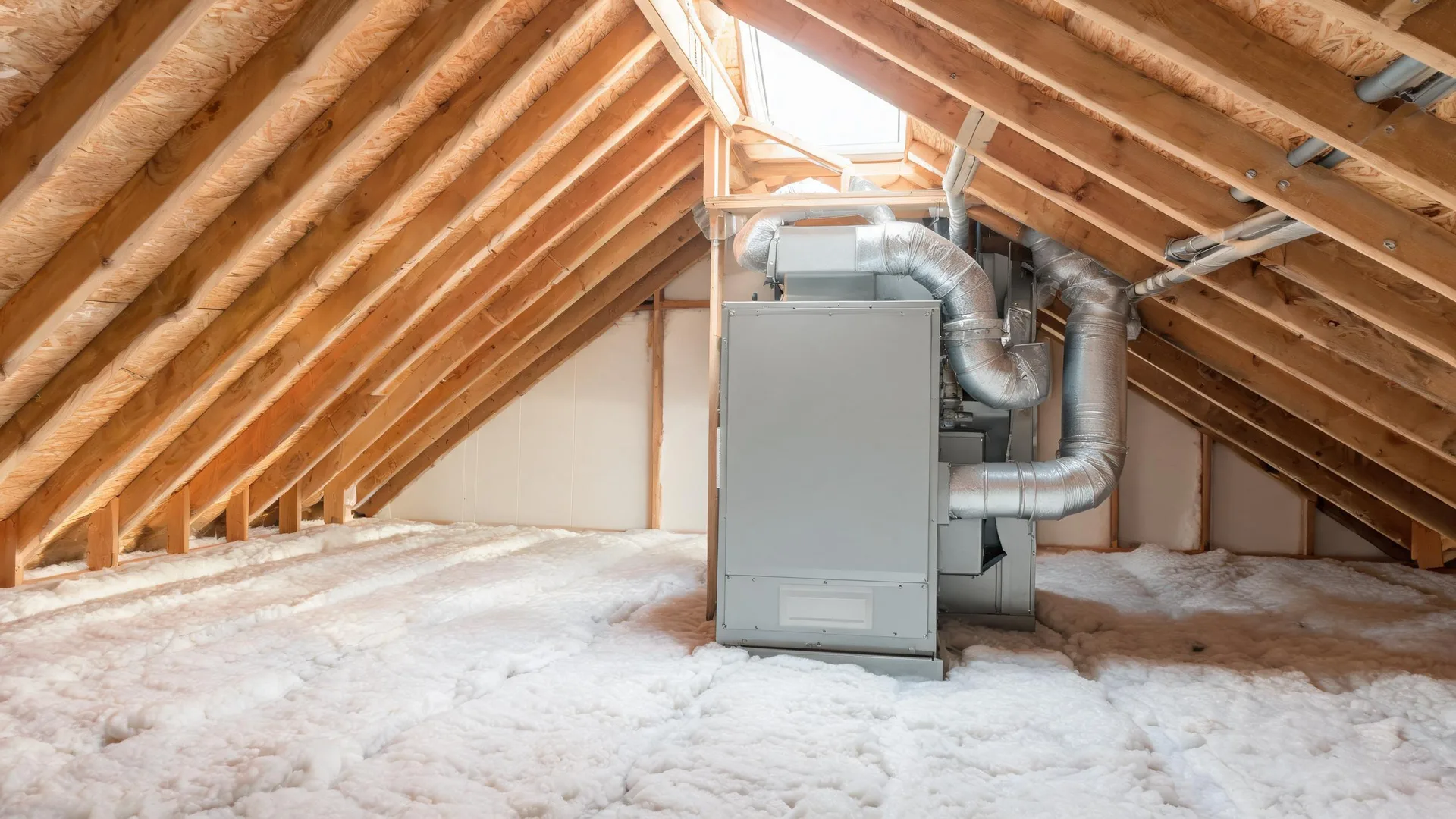
Gas heats most homes here, which usually means the ductwork for AC is already in place

Most homes in this region heat with gas, not electricity. That split matters for central air because the ductwork a gas furnace already uses is often the same ductwork a new AC system runs on. If a gas furnace came with the house, the install is usually about adding the cooling side to a system that's already there, not building one from scratch.

Find a contractor
A man in a cap, dark long-sleeve shirt and brown work pants, seen from behind, steps up onto a porch toward a dark green door while carrying a canvas tool bag.
A gray residential air conditioning condenser unit mounted on a concrete pad outdoors, surrounded by green grass under a partly cloudy blue sky.

Light enough duty, spend where it counts

Four months of work a year is a light load for a compressor. Put the money into sizing and installation instead of chasing the highest efficiency number on the shelf. A unit that's built well and matched to the house will handle this without strain, and that's what decides how long it lasts, not the SEER2 rating on the sticker.

What a load calculation actually weighs

A load calculation looks at square footage, window area, insulation, ceiling height, and how many walls face the sun. It's a room by room count of how much heat the house gains, not a guess based on the size of the old unit. Houses the same size can need different tonnage if one has more glass or a sunnier exposure.

What the wrong size does to the house

A system too big for the house cools the air fast and shuts off before it pulls the moisture out, so the house feels cold and damp at the same time. A system too small runs constantly and never quite catches up on the hottest afternoons. Either way the compressor is cycling in a pattern it wasn't built for, and that wear shows up well before it should.

An outdoor air conditioning condenser unit positioned beside a blue-sided house at sunset.

A higher-efficiency unit would save about $40 a year to run in Bridgeport compared with a new unit at the federal minimum.

  • A higher-efficiency unit$340 a year
  • A new unit at the federal minimum, 13.4 SEER2$380 a year

Estimates for a typical Bridgeport home, from EIA household energy data, Connecticut fuel prices and NOAA climate normals. Your home will differ.

Install day starts outside. The contractor sets the new outdoor unit on its pad and checks that it has clearance to pull in air on every side. Inside, the coil has to match that outdoor unit, since the pair is sized together and swapping one without the other throws off the whole system. Once the lines are connected, the system gets evacuated to pull out any air and moisture before it's charged with refrigerant to the weight the manufacturer specs. After that, the contractor checks the temperature drop across the coil and the pressures on both sides to confirm it's charged right, not just that it's blowing cold. A system can run fine for the first hour and still be off on charge in a way that only shows up as wear later, which is why that check matters more than whether the air feels cold to a hand.